Pokémon Card Investing: Which Sets Hold Value
Not all Pokémon sets appreciate. Here's what actually drives long-term card value and which sets have a track record of holding it.
People talk about Pokémon cards as investments the way they talk about sneakers and wine — with a lot of confidence and not enough skepticism. Some cards have genuinely appreciated. A lot more haven't. If you're putting real money into Pokémon card collecting with the expectation that it comes back out, you should know which side of that line you're on.
The short version: scarcity and nostalgia drive Pokémon card value more than any other factor. Everything else is secondary.
What actually makes a Pokémon card go up
Reprints are the single biggest threat to value. When The Pokémon Company decides a card should be accessible, they reprint it — and they're not shy about it. Cards that looked like safe holds got reprinted into commodity territory inside of 18 months. If a card's value depends on scarcity and that scarcity isn't structural, the value is fragile.
Structural scarcity means the card can't be reprinted without significant effort or isn't going to be. First editions from 1999 are structurally scarce — no one is making new ones, and the existing copies are decades old and slowly degrading. Promotional cards with limited distribution are structurally scarce. Modern English booster set cards are not.
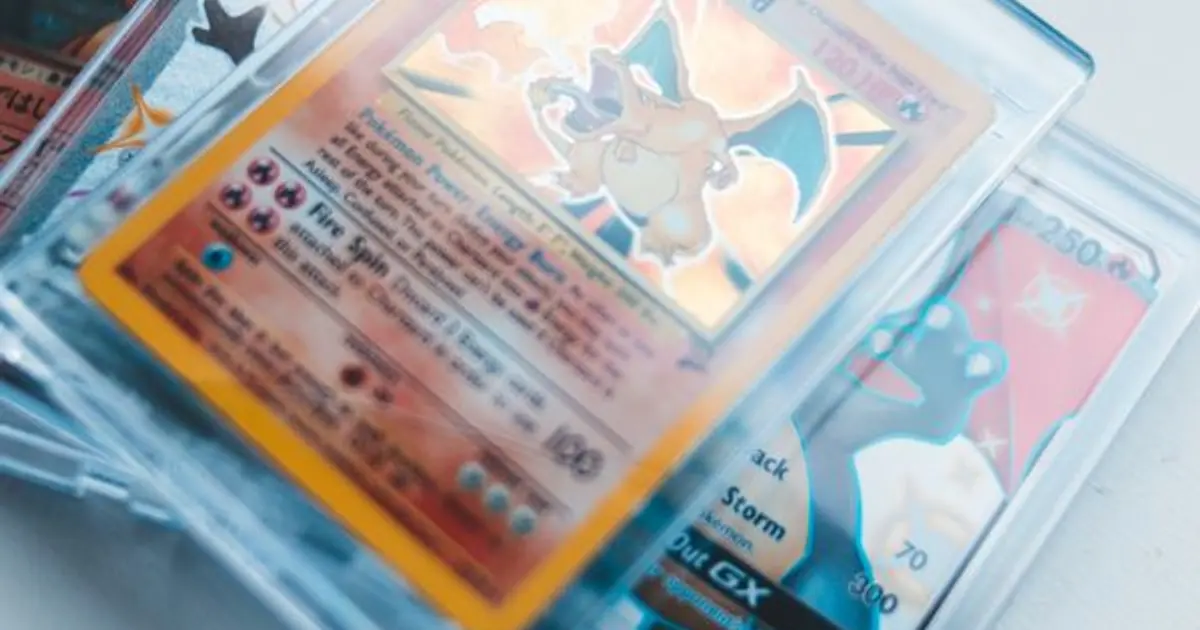
The other driver is nostalgia, and it's more reliable than people expect. Charizard, Mewtwo, Pikachu — these cards have consistent demand because they're connected to memories, not because they're competitively powerful. A Base Set Charizard has no gameplay value in 2026. It still trades at serious prices because millions of people grew up wanting one.
Where things get complicated is the gap between "popular" and "valuable." Something can be widely desired but also widely reprinted, which kills the premium. And something can be scarce without anyone particularly wanting it, which is just a niche collectible.
Sets with a real track record
Base Set 1st Edition is the ceiling. A 1st Edition Shadowless Charizard in PSA 10 sold for $420,000 in 2022. The market has cooled since the pandemic peak, but first edition holofoils in high grades still trade at five figures. The rarity here is genuine — first edition print runs were short, graded copies in high condition are few, and the cultural significance doesn't fade.
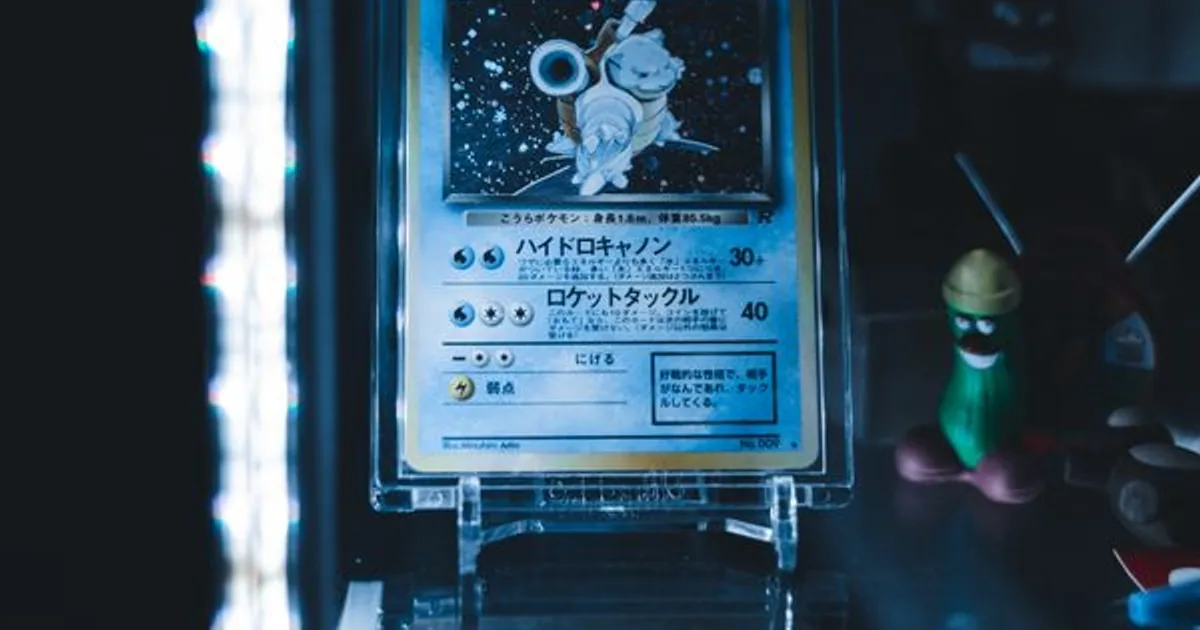
Jungle, Fossil, and Team Rocket sets from 1999–2000 have appreciated more quietly. Not Charizard numbers, but 1st edition holofoils from these sets in decent condition are consistently worth more than they were five years ago. Less glamorous than Base Set, less competition from speculators.
Neo Genesis and Neo Discovery are underappreciated. The Neo era (2000–2001) introduced baby Pokémon and set design choices that collectors genuinely like. Neo Genesis Lugia and Ho-Oh in 1st edition have outperformed a lot of people's expectations. The print runs were relatively short by that point in the game's history.
The Legendary Collection (2002) is unusual. It used a reverse holo treatment different from anything before or since, and the set is aesthetically distinctive. Not the highest prices, but a consistent collector base.

Modern sets are a different calculation
Modern sets — Scarlet & Violet era, Sword & Shield era — operate differently. The print runs are enormous, the cards are widely available, and The Pokémon Company reprints popular cards aggressively. Most modern booster packs are entertainment products, not investment vehicles. If you buy a box of modern Pokémon, the expected value of the cards inside is less than the box price. That's by design.
The exception is special sets. Crown Zenith, 151, and similar limited celebration releases get deliberately shorter print runs, and some of the special illustration rare cards from those sets have held $30–80+ for extended periods. The trick is that "limited" is relative — even a short print run of a modern Pokémon set is enormous by vintage standards.
Check current prices on TCGPlayer and PriceCharting before buying anything in the modern era. PriceCharting's historical price charts show whether something has been holding or declining over 6–12 months, which is more useful than the current snapshot.
Scryda's price tracking pulls daily market data and shows 90-day charts for cards you're tracking — useful for watching a target card before buying rather than after. See the Pokémon page for full coverage.
Sealed product: the honest picture
Sealed booster boxes have become a popular "investment" because they're easy to store, condition-proof, and tangible. The reasoning is that as packs get opened, the remaining sealed supply shrinks, so sealed prices should rise.
This is true in some cases and false in others. For vintage sets printed in 1999–2001, sealed boxes are genuinely rare and command significant premiums. For modern sets from the last four years, sealed boxes are still warehoused in volume around the world and can be reprinted. The "limited supply" argument doesn't hold the same way.
If you're buying sealed modern product as an investment, you're making a bet on The Pokémon Company's future reprint decisions. That's a real bet with uncertain odds, not a reliable store of value.
What to actually do
Collect the cards you genuinely want. Vintage 1st edition cards from the original WotC era have a 25-year track record of holding value. Modern special illustration rares from limited sets have a shorter but real track record. Standard booster set cards from the last three years do not.
If you're evaluating an existing collection for value, the PSA grading guide covers what condition grades actually mean, and the Scarlet & Violet price guide covers what the modern end of your collection is likely worth.
Grade before selling anything vintage over $100. Ungraded first edition cards sell at a discount to graded copies because buyers price in authentication uncertainty. That gap can be meaningful.
FAQ
Do modern Pokémon cards go up in value? Most don't, long-term. Special sets with shorter print runs and popular special illustration rares have a better track record than standard booster set cards. The baseline assumption should be that modern cards depreciate after release, not appreciate.
Which vintage sets are safest to invest in? Base Set 1st Edition, Jungle, Fossil, and Neo Genesis have the longest track record of holding value. 1st edition holofoils in high condition from these sets are the most consistent performers.
Is sealed Pokémon product a good investment? For vintage sealed product from 1999–2002, yes — genuine scarcity. For modern sealed product, it depends on reprint decisions that can't be predicted at purchase time.
Share this article
Look up what a card is worth
Every set, every card, with the market price on each one — free and no sign-up.