Vintage Pokémon Cards Worth Money
Base Set through Neo — here's which vintage Pokémon cards actually hold value in 2026 and what to look for in old collections.
If you still have Pokémon cards from 1999–2002, there's a chance something in that collection is worth more than you think — and a larger chance that most of it isn't. Knowing the difference before you sell (or before you throw anything out) is worth a few minutes.
Vintage Pokémon cards from the WotC era, which ran from 1999 to 2003, are the ones that tend to hold and appreciate. After WotC lost the license in 2003, Nintendo took over production and the character changed. The WotC-era cards are the ones collectors care about.
The 1st Edition question
Every WotC set had a first edition print run before the unlimited print run followed. First edition cards have a small stamp on the left side of the card, below the art: a circle with the number "1" inside. Unlimited copies have a shadowed border around the Pokémon image; first editions and the brief "shadowless" run do not.
First edition cards from Base Set are the most valuable. A 1st Edition Charizard in gem mint condition sold for over $400,000 in 2022. Even in poor condition, a 1st Edition Charizard trades at hundreds of dollars. But Charizard is the extreme case — most Base Set 1st edition holofoils don't reach those prices. Blastoise, Venusaur, and Raichu in 1st edition command real money in high grades. Electrode, Nidoking, and Ninetales in 1st edition are worth checking individually.
The shadowless run exists between 1st edition and unlimited. Shadowless cards don't have the shadow beneath the Pokémon, same as first editions, but lack the 1st edition stamp. They were printed in small quantities and are genuinely scarce — and genuinely under-discussed relative to the 1st edition holofoils.
Set by set
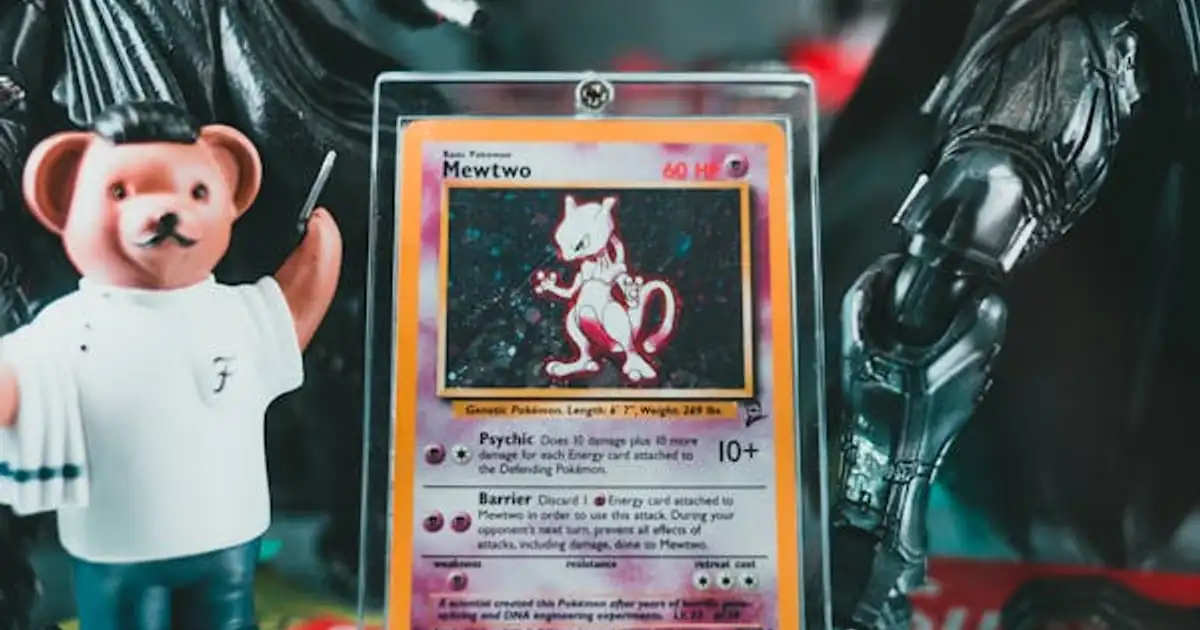
Base Set is the obvious starting point. The 16 holofoil rares are the ones that matter: Charizard, Blastoise, Venusaur, Chansey, Clefairy, Gyarados, Hitmonchan, Machamp, Magneton, Mewtwo, Nidoking, Ninetales, Poliwrath, Raichu, Scyther, and Zapdos. Non-holo rares from Base Set are worth very little regardless of condition. The holofoils vary widely by Pokémon popularity, with Charizard and Mewtwo leading, and several others worth under $20 even in 1st edition.
Jungle and Fossil (1999–2000) tend to get overlooked. Both sets had 1st edition print runs that were shorter than Base Set's, and the collector base for the most popular cards — Jungle's Clefable, Flareon, Jolteon, Scyther, and Snorlax; Fossil's Articuno, Gengar, Haunter, Lapras, and Moltres — is real. Prices are lower than Base Set equivalents, but 1st edition holofoils from both sets have appreciated over the last five years.
Team Rocket (2000) introduced Dark Pokémon and Rocket's Secret Machine trainer cards that have a dedicated collector base. Dark Charizard and Dark Blastoise in 1st edition are the headline cards. Less sought after than Base Set, but consistently in demand.
The Neo sets — Neo Genesis, Neo Discovery, Neo Revelation, and Neo Destiny — wrapped up the WotC era from 2000–2002. Neo Genesis Lugia and Ho-Oh are the stars, and both have performed well. Neo Destiny's Shining Pokémon (Shining Charizard, Shining Mewtwo, Shining Tyranitar) are some of the rarest cards from the entire WotC run. They were print-to-order exclusives and the total population of high-grade copies is genuinely small.
Condition matters more here than almost anywhere
Vintage Pokémon cards in poor condition are worth a fraction of the same card in near-mint. A PSA 10 Charizard and a PSA 4 Charizard are not the same item — they're not even close. The grading premium at the top of the condition scale is steeper for vintage Pokémon than for most TCGs because so few high-grade copies survive from cards that were handled by children in the late 1990s.
Before selling anything, check the condition honestly. Whitening on the back corners, scratches on the front, edge wear, print lines — all of these affect the grade. A card that looks fine to the naked eye can grade PSA 7 because of print quality issues that only show under direct light.
The PSA grading guide explains what each grade means in practice. The grading cost breakdown covers whether it's worth the submission fee for what you have.
For pricing reference before submitting anything, check sold listings on eBay filtered to "sold" — that's what cards are actually selling for, not asking price. PriceCharting tracks sold prices over time and is useful for seeing whether a card's market is trending up or down.
Scanning an old collection
Going through a binder from 1999 card by card takes time. Scryda's scanner identifies Pokémon cards including the set, edition (1st edition, shadowless, unlimited), and condition estimate, so you can work through a large collection quickly and see which cards are worth pursuing further.
It won't replace getting something professionally graded before a sale, but it gives you a fast triage layer before you decide what's worth the grading cost. Check the Pokémon page for current set coverage.
What's usually not worth much
Energy cards, trainer cards, and common Pokémon from WotC sets are almost never valuable regardless of condition. The exception is a handful of specific trainers — Computer Search, Item Finder, Lass, and Super Energy Removal in 1st edition have collector demand. But the baseline assumption for anything non-holo from WotC sets is that it's not valuable.
Unlimited Base Set holofoils are worth checking. They won't hit 1st edition prices, but condition-adjusted prices for unlimited Charizard, Blastoise, and Venusaur are real. Don't throw them out just because they're not 1st edition.
FAQ
How do I tell if a Pokémon card is first edition? Look for a small stamp on the left side of the card, below the Pokémon art: a filled circle with "1" inside it. Unlimited copies don't have this stamp. Shadowless cards also lack the stamp but have the same border style as 1st edition.
Are all vintage Pokémon cards valuable? No. Value is concentrated in holofoil rares from the original WotC sets, especially first editions. Commons, uncommons, and most non-holo rares from even the most popular sets are worth very little.
Should I get old Pokémon cards graded before selling? For anything likely worth over $100, getting a professional grade from PSA or CGC typically increases sale price enough to justify the fee. For cards worth under $50, the submission cost and turnaround time often don't make financial sense.
Share this article
Mentioned in this article
Sets
Look up what a card is worth
Every set, every card, with the market price on each one — free and no sign-up.
Related articles