Most collectors never need to pay for a card app. Here's an honest look at what Scryda's free and Pro tiers actually unlock — and who each is for.
Most articles about an app's pricing are really just sales pitches with a table in the middle. This one's going to tell you something a sales pitch won't: most people reading this should stay on the free tier, probably forever, and that's fine.
The trick to picking a plan isn't comparing feature lists. It's being honest about how you actually use a card collection. Scryda keeps it simple — two tiers, free and Pro — so once you're honest about how you collect, the right one picks itself.
What the free tier actually includes
The free tier isn't a crippled trial designed to nag you into paying. It's a complete tool for a normal collector.
You get unlimited card scanning — not a cap of fifty, unlimited. Full collection tracking with filters by set, rarity, and condition. Automatic daily price updates on every card, with a 90-day history chart — the same data the paid tier gets. And 25 grade estimates a month, which is more than most people use unless they're actively prepping a grading submission.
Read that list again, because it covers what the overwhelming majority of collectors need: scan my cards, tell me what I've got, keep the value current. If that's you, you're done. Download it, use it, never think about the pricing page again. No credit card, no countdown timer.
When Pro starts to make sense
Pro is $2.99/mo — or $29.99 a year, which comes out to about $2.50 a month — and it's the whole toolbox. One tier, everything unlocked. The feature that drives almost every upgrade is batch scanning.
If you sit down to catalogue a real collection — a few hundred cards or more in one go — single scanning gets tedious fast, and batch mode (camera stays open, review a whole tray at once) turns a weekend into an afternoon. The scanning guide gets into why the difference is so large. If you've got a closet full of long boxes you've been meaning to digitize, this one feature is the upgrade.
The rest of Pro stacks on top of that:
- Price alerts — set a buy or sell target and get told when a card hits it, instead of refreshing the app.
- The trade evaluator — put the cards you're giving against the cards you're getting and see whether the deal's fair at current, condition-adjusted prices. The fastest way to stop losing trades by pricing a played card at near-mint value from memory.
- 300 grade estimates a month — for when you're seriously triaging a grading submission, not just spot-checking.
- Sale logging — track what you sold, and for how much, so your books stay straight.
- CSV export — pull your whole collection into a spreadsheet for insurance or your own analysis.
- Priority support, and no ads.
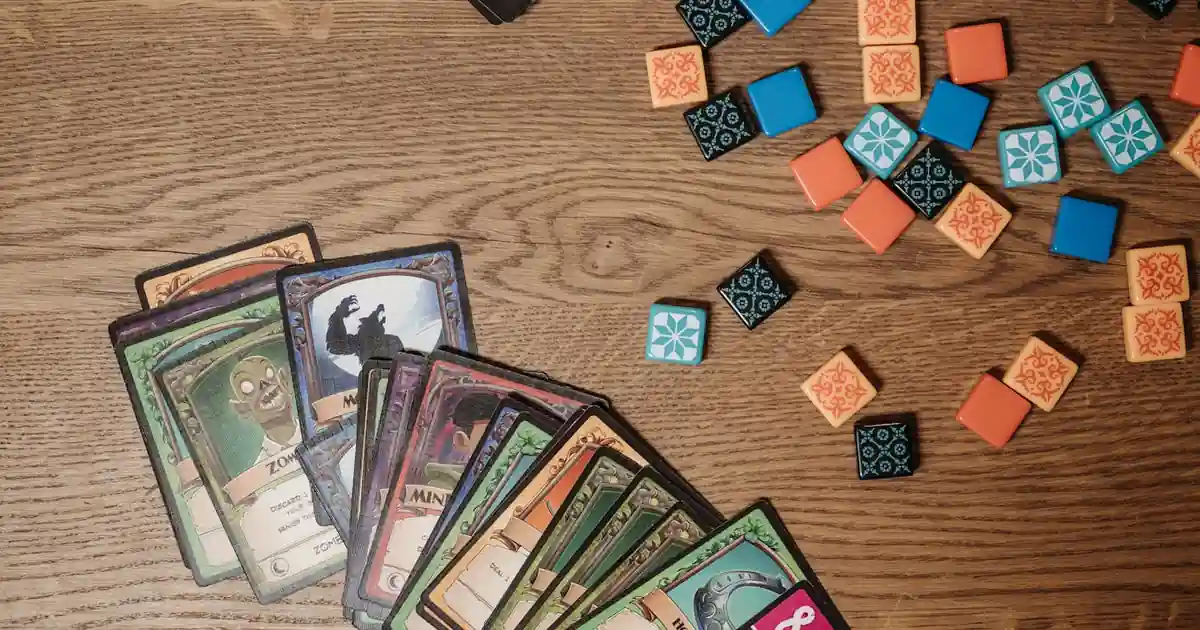
The honest test for Pro: do you actively manage your collection — adding to it regularly, trading, watching prices, thinking about grading or selling? Then $2.99 buys back real time and probably pays for itself the first time an alert catches a good buy or the trade evaluator flags a lopsided deal. Do you just want to know what your shoebox is worth? Stay free.
The quick decision
Strip away the feature lists and it's two questions:
| If you... | You want | |---|---| | Want to know what your collection is and what it's worth | Free | | Catalogue in bulk, trade, watch prices, or sell actively | Pro ($2.99/mo) |
Yearly billing knocks the monthly rate down to about $2.50, so if you already know you're a Pro user, paying annually is the cheaper way to do it. The full breakdown with current numbers lives on the pricing page, and the features page shows every tool with screenshots.
The actual recommendation
Start free. Genuinely. The free tier is good enough that plenty of people never leave it, and the ones who do upgrade because they hit a real wall — usually "I have a thousand cards to scan and single-scanning is killing me" — not because a popup wore them down.
Use it for a couple of weeks. If you find yourself scanning in volume, setting price targets in your head, or evaluating trades, Pro will be obvious. If you don't, you've lost nothing and you've got a fully-tracked collection for free. That's the right way to buy software anyway — when the limit you're hitting is real.
Download Scryda and start on the house. Scan your most valuable cards first and see what the free tier tells you before you spend a cent.
Frequently asked questions
Is the free tier actually free, or is it a trial? Genuinely free, with no time limit and no credit card. It includes unlimited scanning, full collection tracking, daily price updates with history charts, and 25 grade estimates a month.
What's the main reason to upgrade to Pro? Batch scanning. If you're cataloguing hundreds of cards, keeping the camera open and reviewing a whole tray at once turns a weekend job into an afternoon. Pro also adds price alerts, the trade evaluator, sale logging, 300 monthly grade estimates, CSV export, and removes ads — all for $2.99/mo.
Is there a yearly plan? Yes. Pro is $29.99 a year, which works out to about $2.50 a month versus $2.99 billed monthly — the same features either way.
Can I export my collection if I'm on the free tier? CSV export is a Pro feature. Free-tier users get full tracking and price updates inside the app; exporting to a spreadsheet for insurance or analysis is part of Pro.
Share this article
Browse the card catalogue
Full card lists and live market prices, free and with no sign-up.
Related articles