Does Pokémon TCG Pocket scan or value real cards? No — it's a digital-only game. Here's what it actually does, and how to scan and value your physical cards.
Pokémon TCG Pocket got enormous fast — it passed 100 million downloads within months of its October 2024 worldwide launch — and with that many people opening digital packs, a reasonable question keeps coming up: can TCG Pocket scan my real Pokémon cards? Can it tell me what my physical collection is worth?
The short answer is no, and it's not a limitation Pocket will patch. It was never built to touch physical cards. Once you understand what Pocket actually is, the question sorts itself out — and so does what to use instead for real cards.
What Pokémon TCG Pocket actually is
TCG Pocket is a free-to-start mobile game developed by Creatures Inc. and DeNA and published by The Pokémon Company. It launched worldwide on October 30, 2024, after a soft launch in New Zealand that September, and became one of the biggest mobile launches the franchise has ever had.
The core loop is digital collecting. You open digital booster packs — five cards each, with a pack available roughly every 12 hours (or sooner if you spend the in-game hourglass currency). You earn pack points toward specific cards, and there's a feature called Wonder Pick that lets you grab a card from packs other players have opened. Cards come in a ladder of rarities, with gorgeous alternate-art versions for the rarest pulls.
It's a genuinely good collecting game. But every card in it is digital, and that's the whole point of the next part.
So, does it scan or value physical cards? No
This is the key thing, stated plainly: TCG Pocket has no interaction with physical cards whatsoever. It doesn't scan them, it doesn't identify them, and it doesn't price them. The cards inside Pocket exist entirely in the app, separate from the physical Pokémon TCG.
That separation runs both ways:
- Owning a card in Pocket doesn't get you the physical version, and pulling a physical card doesn't unlock anything in Pocket.
- There's no camera feature pointed at your real cards. The "packs" you open are generated in the app, not read from cards in your hand.
- A rare digital card's in-game prestige has no connection to what the physical card sells for.
None of that is a flaw. Pocket is a digital game that happens to share Pokémon's art and characters. It's just a different thing from a tool for managing a physical collection — the way a racing video game is a different thing from a tool for valuing your actual car.
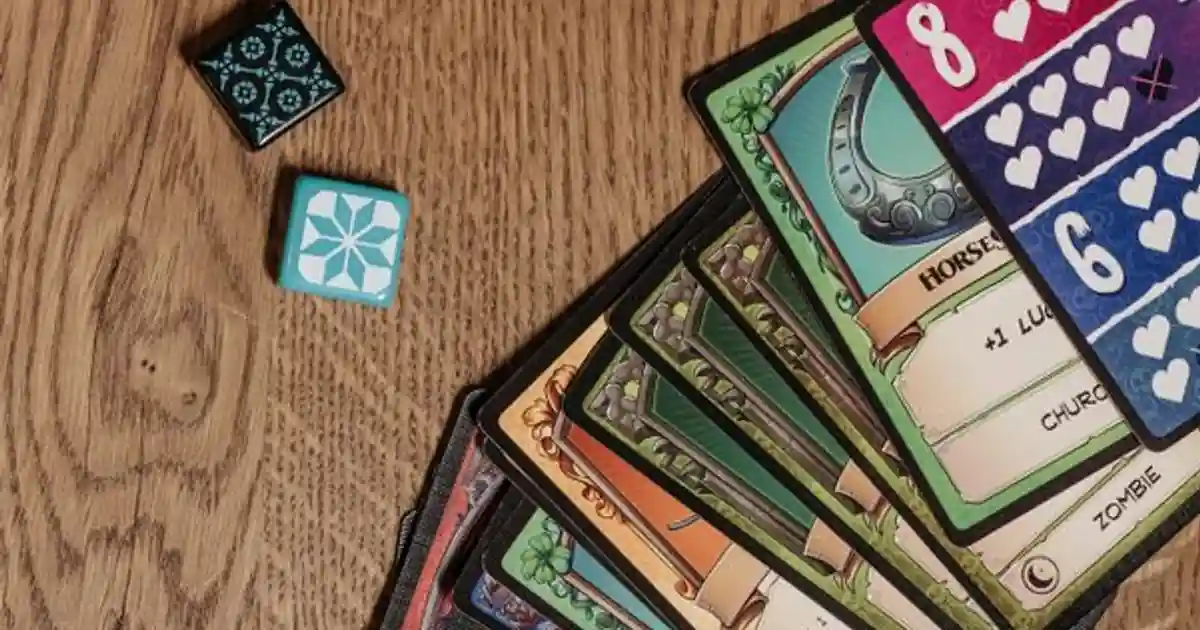
What to use for real cards instead
If your actual question is "what are my physical Pokémon cards, and what are they worth," you want a scanner built for physical cards — which is a completely different kind of app.
Scryda points your phone's camera at a real card and identifies it in under a second: the set, the print, holo or reverse holo or etched, even many Japanese and European versions. It logs the card to your collection with a current market price attached, updated daily from the major marketplaces, and it gives every card a 90-day price history so you can see which way it's moving. It also estimates condition — surface, centering, corners, edges — so you can tell whether a card is worth getting graded.
That's the toolset a physical collection needs and a digital game has no reason to include: real identification, real prices, real condition. Pocket answers "what's a fun card to pull today." A scanner answers "what's the card in my hand, and what's it worth."
Coming from Pocket to real cards
A lot of people are arriving at physical collecting through Pocket, which is a great on-ramp — you already know the characters, the rarities, and the thrill of a good pull. The jump to real cards adds two things the digital game doesn't have: condition and value. A physical card can be near mint or beat up, and that changes what it's worth; it has a real market price that moves; and it can be graded and sold. Those are exactly the things a scanner surfaces.
If you're making that jump, the how to start collecting trading cards guide covers the basics of building a real collection without overspending — sets, sleeves, storage, and what's actually worth buying. Pocket is a fine place to fall for Pokémon. The physical hobby is where the cards have a value you can hold.
Download Scryda free, point it at a real Pokémon card, and see the set, the print, and the price — the things a digital game was never built to tell you.
Frequently asked questions
Does Pokémon TCG Pocket scan real cards? No. TCG Pocket is a digital-only collecting and battling game. It has no feature to scan, identify, or value physical Pokémon cards — every card in the app is digital and exists separately from the physical TCG.
Can I get the physical version of a card I pulled in TCG Pocket? No. Digital cards in Pocket don't translate to physical cards, and physical cards don't unlock anything in Pocket. The two are entirely separate.
What app actually scans and values physical Pokémon cards? A dedicated card scanner like Scryda. It identifies a real card's set and print from your phone's camera, attaches a current market price updated daily, tracks a 90-day price history, and estimates condition. That's a different category of app from TCG Pocket, which is a game.
Is TCG Pocket worth playing if I collect real cards? Sure — they just do different things. Pocket is an enjoyable digital collecting game, and it's a popular on-ramp into the hobby. For your physical collection's identification, value, and condition, you'll want a real scanner alongside it.
Share this article
Look up what a card is worth
Every set, every card, with the market price on each one — free and no sign-up.
Related articles