How to Spot Fake One Piece Cards: What to Check
Counterfeit One Piece cards are everywhere. Here's how to spot them — the blue card back, the Bandai stamp, print sharpness, texture, and the tests that work.
Fake One Piece cards are one of the fastest-growing counterfeit problems in the hobby, and it makes sense — the game blew up, the alternate arts and manga rares sell for hundreds, and counterfeiters follow the money. The good news is that genuine One Piece cards have a few tells that fakes consistently get wrong. The bad news is that no single check is conclusive, so you learn to stack them. Here's what to look at.
The card back — the number-one giveaway
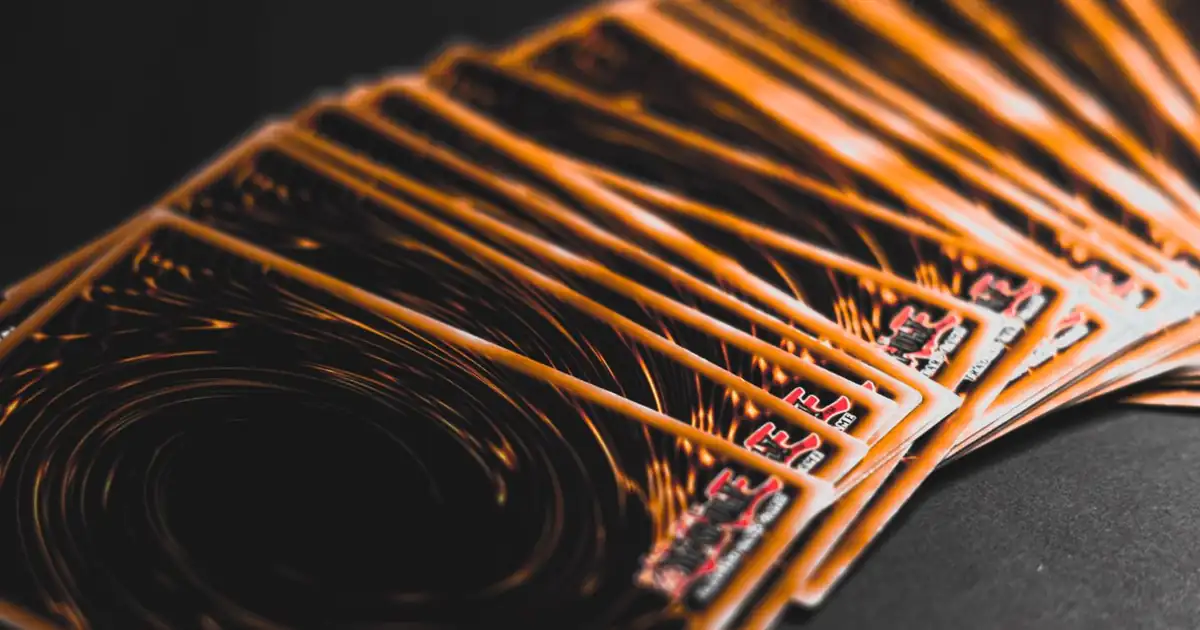
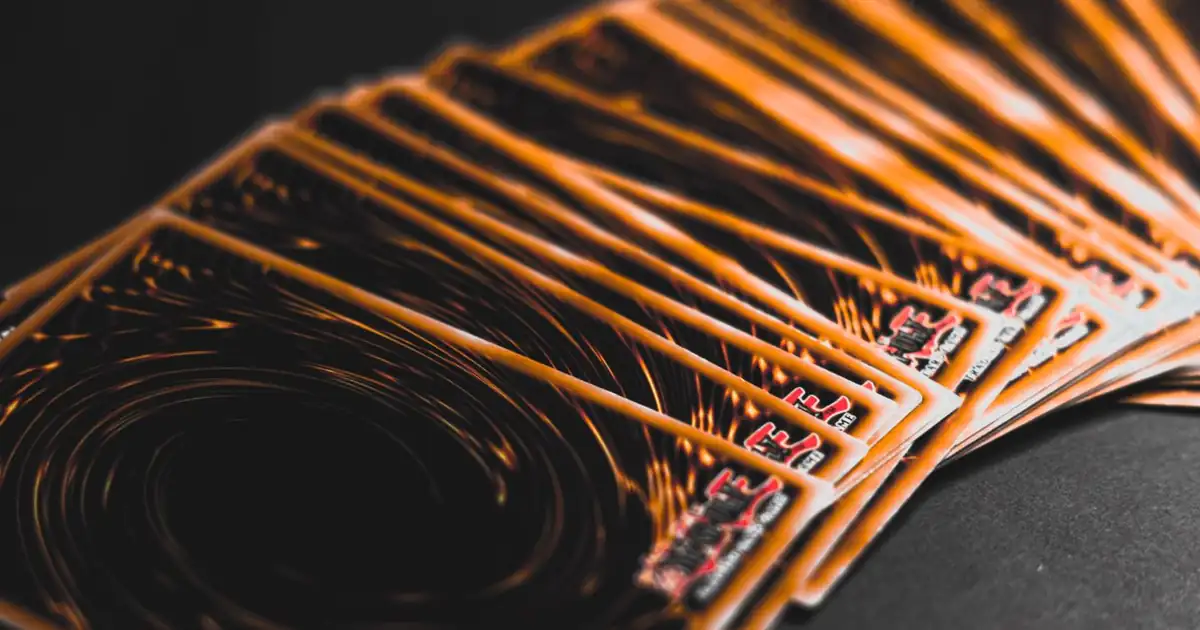
Flip the card over. A genuine One Piece card back is a strong, vibrant blue. Counterfeits very commonly get this wrong, coming out a dull, muddy, or slightly purplish tint instead. It's the single most-cited flaw in fake One Piece cards, and it's easy to check even if you're new. The catch is that lighting shifts how blue reads, so the reliable version of this test is a side-by-side against a card you know is real — the fake's back will look visibly off next to it.
The Bandai authenticity stamp
Genuine cards carry a small stamp in the bottom-left corner reading "One Piece Card Game." On a real card it's nearly transparent — subtle, blended into the card. On fakes it's usually printed harshly and opaquely, standing out far more than it should. It's a Bandai-specific feature counterfeiters routinely botch, so it's worth training your eye to find it.
Print sharpness and fine text
Under any magnification, genuine One Piece print is razor-sharp. Fakes reveal themselves as fuzzy or soft, especially in the fine details. The best spot to check is the tiny copyright text near the bottom of the card — on a fake it's often rendered too bold, too large, or blurry, because the counterfeiter is working from a lower-resolution scan. A cheap 10x loupe makes this check trivial and is the best few dollars you can spend if you buy singles.
Texture on the rares
This one is specific to the good cards. Super Rares, Secret Rares, alternate arts, and the manga (comic-art) rares are meant to have an intentional textured or embossed finish you can feel. If a card that should be a high-rarity chase feels completely smooth and flat, that's a strong fake signal. Fakes also tend to render texture as too uniform — a mechanical, even pattern rather than the finish that follows the art. Since the manga rares and alternate arts are the most valuable cards in the game, they're also the most faked, so this is exactly where to be careful. The One Piece rarity guide covers which treatments should have that finish.
Card stock and weight
Genuine One Piece cards feel firm and consistent. Fakes often use the wrong stock — noticeably thicker or heavier from extra layers, or conversely too flimsy. Like the card-back color, this is most useful compared against a known-genuine card. If you handle One Piece cards regularly, a fake frequently feels wrong before you've even studied it.
Tests that are weaker than they sound
A few popular checks are worth less than people claim:
- Holofoil shine and color saturation vary between real print runs, so "the foil looks cheap" or "the colors are too bright" are suggestive, not conclusive.
- Centering and set-symbol size are weak tells — genuine cards have real centering variance, so an off-center card isn't proof of anything.
- The rip or hold-to-light test you'll see mentioned isn't endorsed by the serious authentication guides. Don't tear a card you think might be real, and don't hang a decision on how light passes through it.
If you want an objective test and have the gear, an infrared light is the most dependable: under IR, a genuine card takes on a white tint while a fake goes black. Professional authenticators like SNKRDUNK lean on IR and microscopy for exactly this reason. It's overkill for a $2 common, but useful if you're buying a serious card.
Where fakes show up, and how to avoid them
Counterfeit One Piece cards cluster on cheap overseas marketplaces and unvetted listings — the AliExpress, Temu, and DHgate corner of the internet — and in fake "sealed" product, including counterfeit booster boxes. The most-copied cards are the high-value chases: CGC has documented a counterfeit of the Monkey D. Luffy alternate-art Manga Rare, one of the game's most sought-after cards.
Two habits keep you safe. Buy from reputable sellers who guarantee authenticity, and for anything genuinely expensive, buy it graded — a CGC or PSA slab authenticates the card as well as grading it. The same discipline applies across games; our Pokémon fake-spotting checklist covers the equivalent tells there.
And know the real value before you buy. Fakes get listed both suspiciously cheap and suspiciously expensive, and either way, knowing what the card actually trades for is your protection. Scryda reads a One Piece card, identifies the exact print and rarity — base art versus alternate art, which matters enormously here — and shows its current market value. Download Scryda, and pair it with the One Piece collecting guide for which cards are worth scrutinizing. The Scryda One Piece page has set coverage.
Frequently asked questions
What's the easiest way to spot a fake One Piece card? Check the card back first — genuine backs are a strong, vibrant blue, while fakes are often a dull or purplish tint. Then look for the nearly-transparent "One Piece Card Game" stamp in the bottom-left corner, which fakes usually print too opaquely. Confirm with a side-by-side against a genuine card.
Do fake One Piece cards have texture? Genuine high-rarity cards — Super Rares, Secret Rares, alternate arts, and manga rares — have an intentional textured or embossed finish. If a card that should be one of these feels completely smooth and flat, that's a strong sign it's fake.
Which One Piece cards are faked the most? The most valuable ones: alternate arts and manga (comic-art) rares of popular characters, especially Luffy. CGC has documented a counterfeit of the Luffy alternate-art Manga Rare. Fake sealed booster boxes are also common.
How do I authenticate an expensive One Piece card? Compare it side-by-side with a known-genuine card of the same set and rarity, inspect the print under a 10x loupe, and buy from sellers who guarantee authenticity. For high-value cards, professional grading through CGC or PSA both authenticates and protects the card.
Share this article
Browse the card catalogue
Full card lists and live market prices, free and with no sign-up.
Related articles