Best TCG to Collect in 2026
Pokémon, MTG, Yu-Gi-Oh!, Lorcana, One Piece — which trading card game is worth collecting in 2026? An honest comparison of all five.
There's no single best TCG to collect in 2026 — but there is a best one for you, depending on what you actually want from the hobby. The five major games on the market each have a distinct identity, and what makes one a good fit for one collector makes it a bad fit for another.
Here's an honest breakdown of each, focused specifically on collecting rather than gameplay.
What "best for collecting" actually means
Gameplay and collecting are different activities that happen to involve the same physical cards. A great game to play isn't automatically a great game to collect, and vice versa.
For collecting, the relevant factors are: how stable is the secondary market, how accessible is the game to new collectors, does the art and design appeal to you, and what does the long-term value trajectory look like for cards you'd want to own?
With that framing, here's where each game stands.
Pokémon
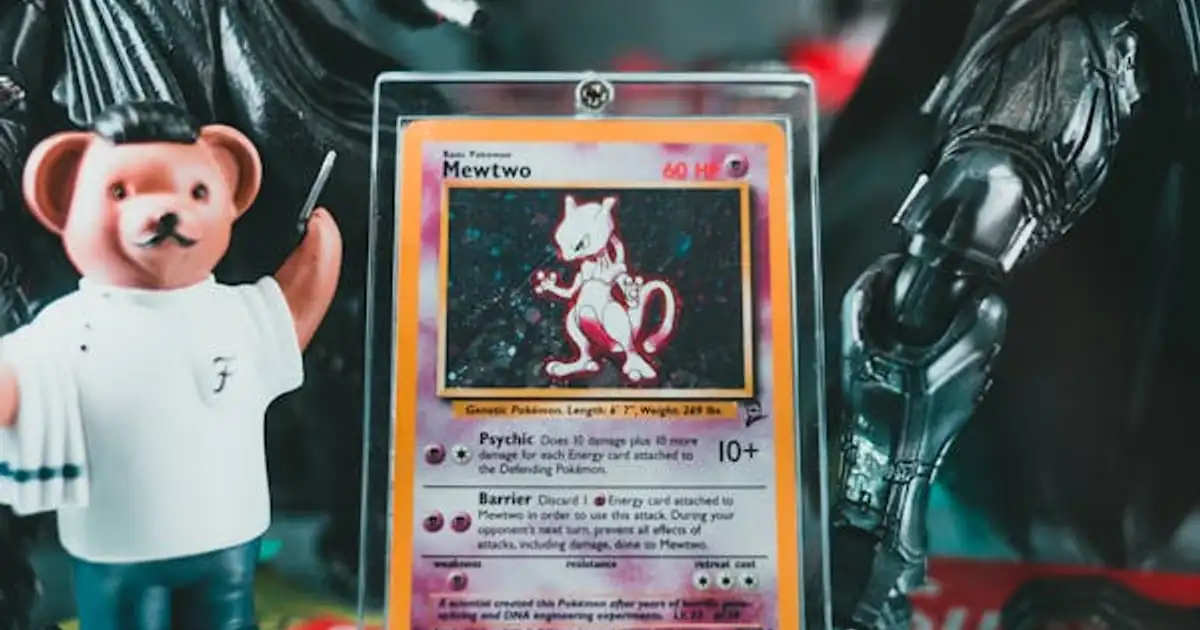
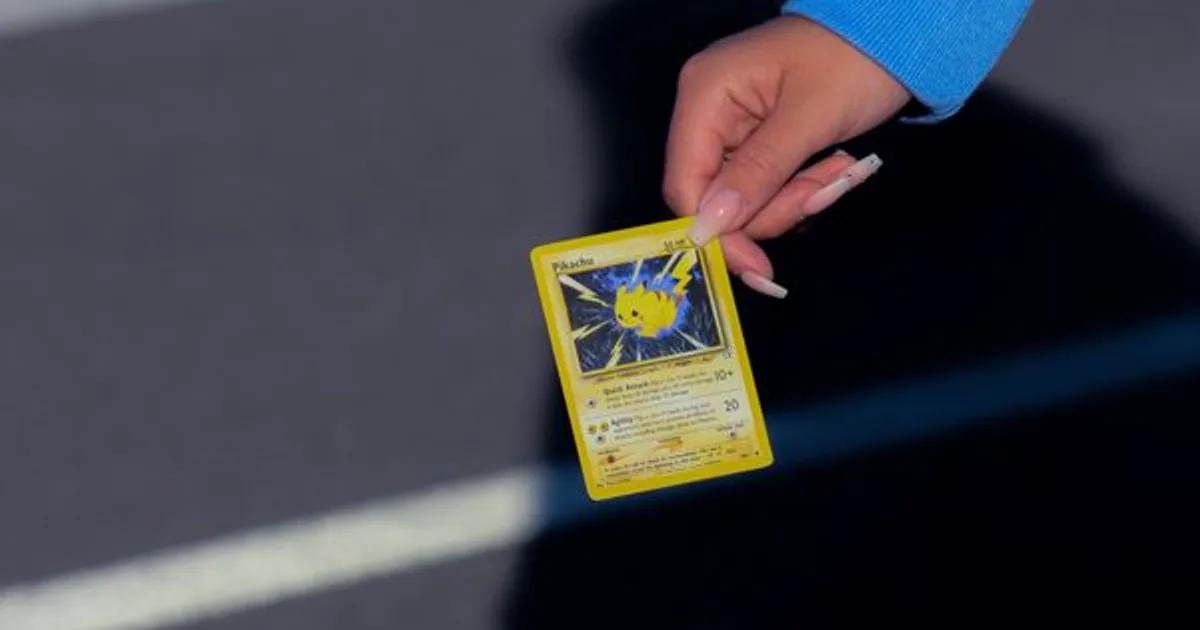
Pokémon is the most collector-friendly TCG on the market and it isn't particularly close. The reasons are structural.
The characters are universally recognized. You don't need to be a Pokémon player or even know the game to want a holographic Charizard. That cross-demographic appeal creates the deepest collector demand of any TCG — people who haven't touched cards in 20 years still know what a Base Set Charizard is worth.
The secondary market is enormous and liquid. You can sell almost any valuable Pokémon card quickly. The grading ecosystem (PSA, CGC, Beckett) is fully developed around Pokémon. Price data is abundant and reliable.
The downside is cost at the high end. First-edition vintage cards are genuinely expensive. The most valuable modern Special Illustration Rares can hit $100–200+. And scalpers and resellers have created availability issues on some popular products at launch.
Best for: First-time collectors, nostalgia-driven collecting, anyone who wants a deep and liquid secondary market. The Pokémon starter guide covers how to begin without wasting money.
Magic: The Gathering
MTG has the richest collecting history of any TCG. Cards from 1993 are still in active play in some formats. The original dual lands are financial instruments at this point. No other TCG has a 30-year-old competitive format that still influences card prices.
For collectors who care about gameplay depth alongside collecting, MTG is unmatched. The Commander format alone drives demand for thousands of cards across the entire game's history.
The challenge in 2026 is that MTG is in a transitional moment. The Universes Beyond crossover program (Lord of the Rings, Marvel, Hobbit) has split the community between players who embrace the IP crossovers and those who feel it dilutes the game's identity. That community tension doesn't necessarily affect card values, but it's a real thing to be aware of.
Secondary market for MTG is mature but more complex than Pokémon. Format legality affects prices meaningfully — when cards rotate out of Standard or get banned in Modern, prices move. You need more game knowledge to collect MTG intelligently.
Best for: Collectors who want gameplay depth, fans of the specific MTG universes, or collectors interested in vintage cards with a 30+ year track record. The Commander staples guide covers where the long-term value sits.
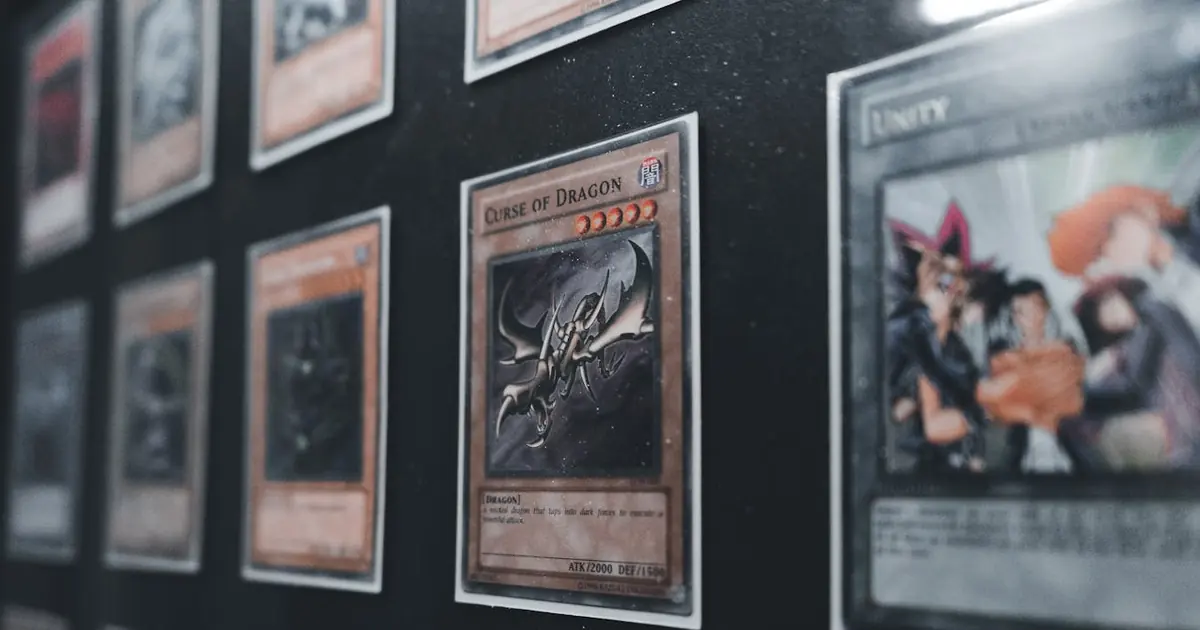
Yu-Gi-Oh!
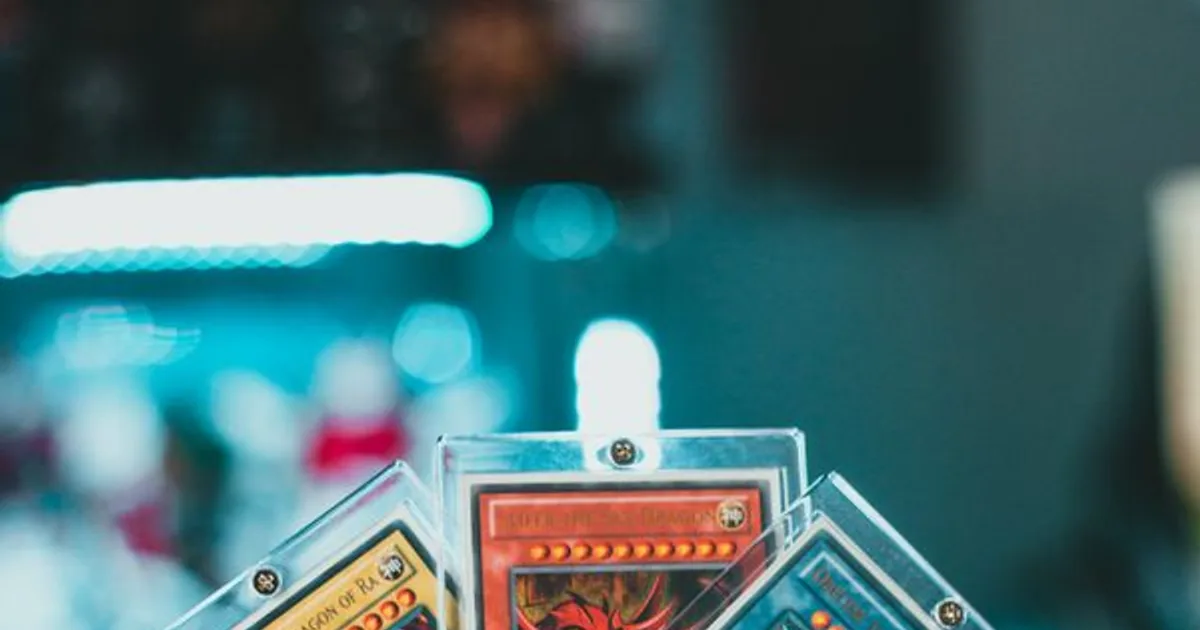
Yu-Gi-Oh! has the most dedicated competitive community of any TCG, and its collector base is similarly passionate. The game has been running since 1999 and has a deep catalog of nostalgic cards — original Blue-Eyes White Dragon, Dark Magician, early tournament staples — that carry strong collector demand.
The challenge for new collectors is the volatility. Yu-Gi-Oh! prices are heavily tied to tournament results and ban list updates. A card can double in price on a single tournament weekend and drop just as fast when the ban list hits it. This creates opportunity if you know what you're doing and serious risk if you don't.
The other barrier is learning curve. Yu-Gi-Oh!'s card text is notoriously complex. The game's current meta is fast-paced and requires deep knowledge of card interactions. Collecting intelligently requires understanding which cards matter in the format, which can be overwhelming for newcomers.
Best for: Fans of the original anime and manga, competitive players who want to collect what they play, or collectors willing to learn the format thoroughly before spending significant money. The Yu-Gi-Oh! price guide covers which cards actually hold value long-term.
Disney Lorcana
Lorcana is three years old, which means it has less of a track record than the others but also more room to grow. The IP — Disney — is one of the most powerful in entertainment, and character-driven collecting has proven reliable for Lorcana. Enchanted cards featuring beloved Disney characters have held value better than most new TCG cards do.
The collecting appeal is obvious: the art is beautiful, the characters are universally loved, and it doesn't require any game knowledge to appreciate a Mickey Mouse Enchanted card. Lorcana has attracted collectors who had no prior TCG background at all.
The limitations are liquidity and market depth. The secondary market is significantly smaller than Pokémon or MTG. It's harder to sell cards quickly, price data has less history, and Ravensburger's reprint policies are still being established. For a first TCG, Lorcana's smaller market can make selling feel uncertain.
Best for: Disney fans who want a collecting-first TCG, collectors drawn to the art, and anyone interested in being early in a growing market. The Lorcana collecting guide covers which cards and sets have the best track record so far.
One Piece Card Game
OPCG is the newest of the major TCGs covered here, and also the fastest-growing. The IP is enormous in Asia and growing globally. The simultaneous worldwide releases starting in 2026 have made the English market significantly more accessible than it was during the 2023–2024 launch window.
For collectors, the character-driven pricing is similar to Lorcana — Luffy cards at any rarity hold better than mechanically stronger cards with less-popular characters. The game rewards knowing which One Piece characters have the deepest fanbases rather than which cards are most competitively relevant.
The risk is that OPCG is young enough that its long-term trajectory is genuinely uncertain. The franchise IP is rock solid, but whether the card game maintains its growth momentum over the next five to ten years is an open question.
Best for: One Piece fans who want to collect their favorite characters, collectors interested in getting into a growing market early, and anyone who followed the game during the 2023–2024 launch and wants to continue. The OPCG 2026 release schedule covers this year's sets.
The honest recommendation
If you're starting fresh with no strong attachment to any IP: Pokémon. The secondary market is the most accessible, the learning curve for collecting (not playing) is the lowest, and the nostalgia-backed demand means broadly popular cards have real staying power.
If you already love a specific IP: collect that game. A collection built around characters you genuinely care about will hold your interest longer and often hold value better than one built on market logic alone.
Scryda tracks prices across all five games, so wherever you land you can manage your collection in one place. See the pricing page for what's covered.
FAQ
Which TCG has the best resale value? Pokémon has the most liquid secondary market and the deepest buyer pool, which generally means the best and fastest resale. MTG vintage cards have strong long-term appreciation. Yu-Gi-Oh!, Lorcana, and OPCG have smaller markets with lower liquidity.
Which TCG is easiest for beginners to start collecting? Pokémon, consistently. The characters are immediately recognizable, pricing information is abundant, and you don't need gameplay knowledge to collect the most sought-after cards. Lorcana is a close second for the same reasons.
Should I collect multiple TCGs at once? Not at first. Each game has its own pricing dynamics, rarity systems, and secondary market nuances. Building real knowledge in one game takes months. Spreading across multiple games slows that learning down and often leads to spending more money less wisely.
Share this article
Mentioned in this article
Look up what a card is worth
Every set, every card, with the market price on each one — free and no sign-up.
Related articles