Japanese vs English Pokémon Cards: Which Should You Collect?
Japanese Pokémon cards are cheaper, higher quality, and release first — so why does anyone buy English? An honest comparison for collectors and investors.
Spend any time in Pokémon collecting circles and you'll hit the Japanese-versus-English debate fast. One camp swears Japanese cards are better in every way that matters. The other points out that the most valuable Pokémon cards in the world are English. Both are right, which is what makes the question actually interesting.
The honest answer depends on why you collect. So instead of crowning a winner, let's go factor by factor, then sort out who should buy which.
Where Japanese cards genuinely win
On the merits, Japanese cards beat English on several fronts, and it's not particularly close.
They're cheaper to open. Japanese booster packs and boxes cost noticeably less than their English equivalents, and the pull rates for the chase cards are often better. If your goal is opening product to hit big cards, Japanese is more cards-per-dollar with friendlier odds. It's the value play for rippers.
The print quality is higher. This is the one people underrate. Japanese cards tend to have crisper printing, better-centered cuts on average, and a slightly more durable feel. For collectors chasing high grades, a Japanese print often arrives in better shape out of the pack, which means a better shot at a PSA 10 without the centering lottery English cards are notorious for.
They release first. Japan gets sets months ahead of the West. If you want a card the day it exists rather than waiting for the English localization, Japanese is the only way.
The exclusives. Plenty of Japanese sets, promos, and products never get an English release at all. Some of the most beautiful cards in the hobby are Japan-only.
Where English still wins
So why does anyone buy English? Because of the one factor that overrides all of the above for a certain kind of collector: the top of the market is English.
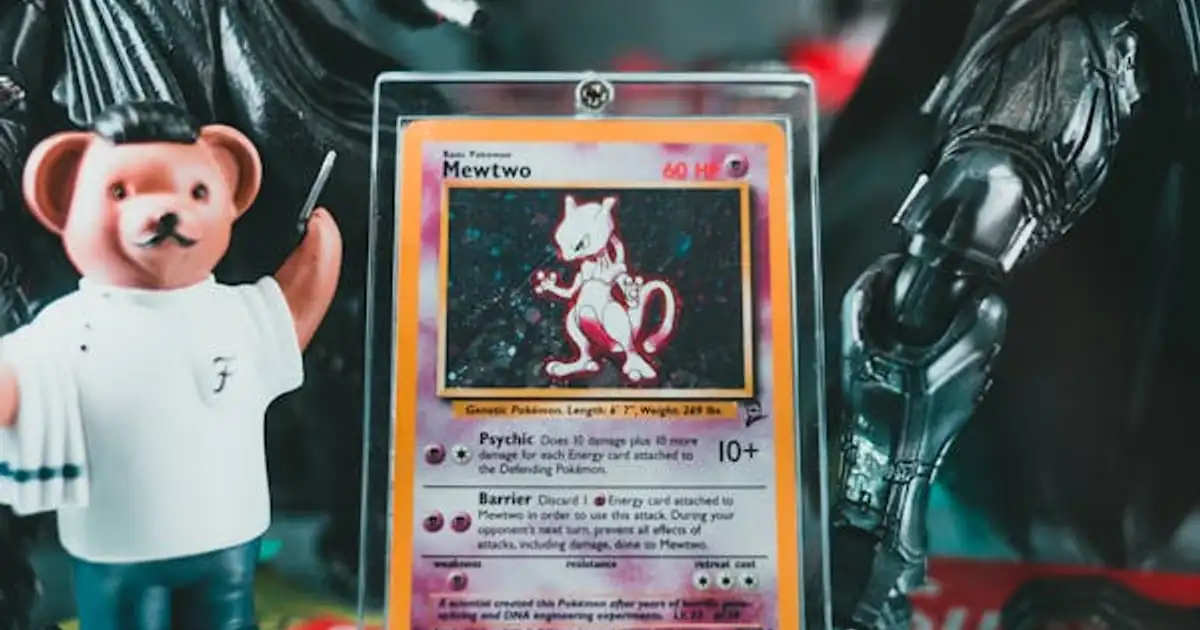
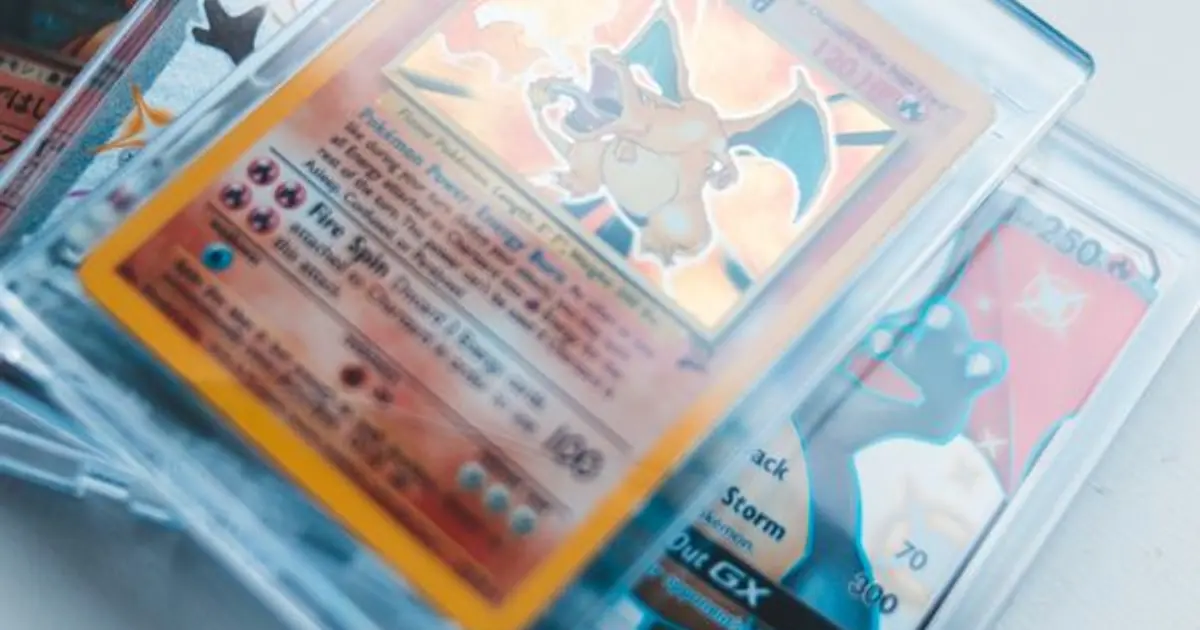
The record-setting Pokémon cards — the ones that sell for five and six figures — are overwhelmingly English, especially vintage Base Set and WOTC-era cards. The English collector base is larger and wealthier, and that demand concentrates value at the high end. A gem-mint English Base Set Charizard is a blue-chip asset in a way its Japanese equivalent, lovely as it is, simply isn't.
English also wins on the boring stuff that matters day to day. If you play the TCG in an English-speaking region, you need English cards — most local tournaments require them. And for trading, the English secondary market near you is deeper and more liquid; it's easier to buy and sell English cards without shipping internationally or explaining a Japanese print to a wary buyer.
So which should you collect?
Match it to your actual goal, and the choice gets easy:
- You open packs for fun and want the most cards per dollar → Japanese. Cheaper product, better pull rates, sharper cards.
- You chase high grades to resell → Japanese for the print quality, but know your buyer — English gem-mint vintage has the deeper resale market at the top.
- You're investing in blue-chip cards to hold → English, specifically vintage and iconic chase cards, where the serious money lives.
- You play the game → English (or whatever your local tournaments require).
- You collect for beauty and love a specific card → buy whichever version you think looks better. This is a hobby; "it's prettier" is a complete reason.
Most experienced collectors end up with both, and that's the genuinely correct answer for a lot of people: open Japanese for the value and the grades, hold English for the blue-chip core. They're not really competitors so much as two tools for different jobs.
Tracking a mixed collection
The practical complication of collecting both is that the same Pokémon exists as two different cards — different set, different number, different price — and many apps and price guides only handle English cleanly, which leaves your Japanese cards as a black hole in your collection's value.
Scryda reads Japanese, Korean, and European prints alongside English, identifying the specific set and print and pricing each correctly rather than forcing a Japanese card into an English entry. For a mixed collection that's the whole point — your value total is only honest if the Japanese half is actually counted. See the Scryda Pokémon page for coverage. If grading is the goal, the CGC vs PSA vs Beckett guide covers which grader makes sense for Japanese cards specifically.
The short version
Japanese cards win on price, print quality, release timing, and exclusives — they're the better buy for openers and grade-chasers. English wins where it counts most for investors: the top of the market and the deepest resale demand are English. Pick by goal, not by tribe, and don't be surprised when you end up collecting both.
Frequently asked questions
Are Japanese Pokémon cards worth more than English? Usually not at the top of the market. The record-setting, highest-value Pokémon cards are overwhelmingly English vintage. Japanese cards are cheaper to buy and often higher quality, but English commands the blue-chip premiums.
Why are Japanese cards better quality? They tend to have crisper printing and better-centered cuts on average, and a slightly sturdier feel. That gives them a better shot at high grades straight out of the pack, where English cards are infamous for centering problems.
Can I play with Japanese cards in tournaments? Generally not in English-speaking regions — most local and official tournaments require cards in the local language. If you play competitively, you'll need English (or your region's language) regardless of which you prefer to collect.
Should beginners buy Japanese or English? If you're opening for fun, Japanese gives you more cards per dollar with better pull rates. If you want cards that are easy to trade and sell locally, start English. Many collectors do both once they know what they're chasing.
Share this article
Mentioned in this article
Look up what a card is worth
Every set, every card, with the market price on each one — free and no sign-up.
Related articles