PSA, CGC, and Beckett grade Pokémon cards differently. Here's what matters for resale value, turnaround time, and which to choose.
If you're getting Pokémon cards graded for the first time, the choice between PSA, CGC, and Beckett feels more complicated than it should be. All three are legitimate grading companies. All three assign a numeric grade from 1–10. The cards come back in labeled plastic slabs. So what's actually different?
Quite a bit — mostly around resale value, turnaround time, and how each company grades subgrades.
PSA: the resale standard
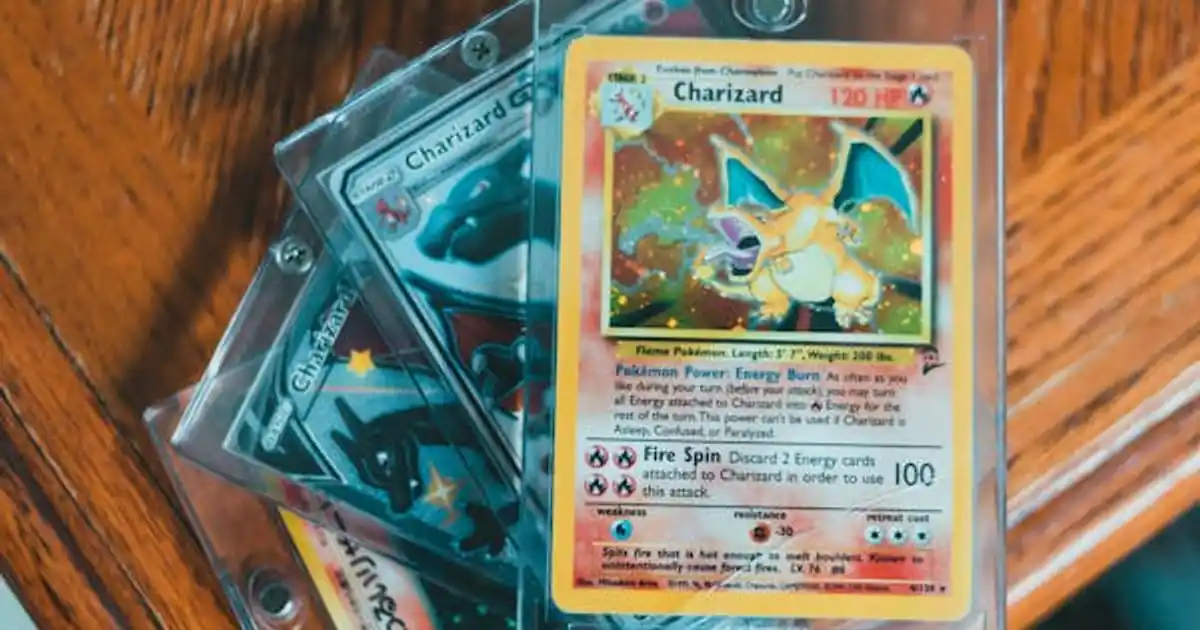
PSA is the most recognized grading company in the Pokémon market. For most collectors and most cards, PSA grades command a premium on the secondary market simply because PSA is what buyers expect. A PSA 10 Charizard sells for more than a CGC 10 Charizard — not necessarily because PSA grades are harder to achieve, but because the PSA label is what the existing market is priced around.
The trade-off is cost and turnaround. PSA has multiple service tiers — economy, standard, express — that range from around $25 per card up to $300+ for fastest service. Their turnaround times have historically been unreliable. During the 2020–2021 Pokémon boom, PSA was quoting months and delivering a year or more late on economy submissions. They've improved since then, but turnaround is still their weakest point.
For anyone submitting vintage cards worth over $100 with intent to sell, PSA is usually the right choice. The resale premium covers the fee, and buyers of high-value Pokémon specifically look for PSA.
CGC: the alternative worth taking seriously
CGC entered the Pokémon grading market in 2020 and has earned a real following. Their slabs are different — a more secure inner holder with a separate sealed shell — and their grading is considered by many in the community to be somewhat stricter and more consistent than PSA's.
CGC grades include half-grades (8.5, 9.5), which PSA doesn't use. This is genuinely useful for cards that land between grades — a card that might be PSA 9 could be a more precise CGC 9.5. The argument for CGC is that their grades are more accurate, even if the market hasn't fully priced in that accuracy.
The honest limitation: CGC 10s sell for less than PSA 10s for most Pokémon cards. Not because the grade is inferior, but because PSA has market liquidity and CGC doesn't yet. If your goal is maximum resale value today, PSA is still the answer for most cards. If you're collecting for yourself or think CGC's market position will improve over time, CGC is a legitimate choice.
Turnaround at CGC is generally more reliable than PSA, and their pricing is comparable at most service tiers.
Beckett: the specialist's choice
Beckett is the third major option. Their subgrade system is the most detailed of the three — they grade each card on four components (centering, corners, edges, surface) and assign a subgrade to each, plus an overall grade. This level of detail appeals to serious collectors who want to know exactly why a card received the grade it did.
The trade-off is that Beckett has less market presence in Pokémon specifically than in sports cards, where they've been dominant for decades. A BGS 10 "Black Label" — all four subgrades at 10 — is arguably the most prestigious grade any card can receive and commands enormous premiums. But standard BGS 9s and 9.5s often trade at a discount to PSA equivalents for Pokémon.
Beckett makes more sense for collectors who care about the grading detail and less about immediate resale liquidity.

What actually affects your grade
All three companies grade on the same four factors: centering, corners, edges, and surface. The most common reasons cards don't hit 10:
Centering is the easiest to check yourself. Hold the card up and look at the border widths on all four sides. A card with noticeably unequal borders won't grade 10. Modern Pokémon printing has decent centering; older WotC cards have much more variation.
Surface scratches are the hidden problem. Under direct light, cards that look fine in normal viewing show scratches and print lines that affect grades. Before submitting anything, examine the card front and back under a desk lamp angled to show surface reflection.
Corner wear is obvious but worth checking carefully. Even slight whitening on one corner — from a single rough slide into a binder pocket — can cost a grade.
The how to spot fake Pokémon cards article covers print quality checks that overlap with what graders look at on the surface examination.
Which one to choose
For most people submitting Pokémon cards: PSA if resale value is the priority. CGC if turnaround reliability matters more and you're comfortable with the smaller secondary market. Beckett if you specifically want the subgrade breakdown and you're submitting cards you're keeping rather than selling.
The PSA grading guide covers the grade scale in detail. The is PSA worth it article covers the cost-benefit calculation — grading isn't the right move for every card, and knowing when to skip it saves both time and money.
Before you submit anything, scan it with Scryda to get a condition estimate. It's not a replacement for professional grading, but it gives you a reasonable sense of what grade range a card is likely to land in before you pay the submission fee.
FAQ
Does PSA grade harder than CGC? The community debate on this is ongoing. The general perception is that CGC is slightly stricter on surface issues, while PSA's standards have varied over time. What's more consistent is that PSA 10s command higher resale prices for Pokémon, regardless of comparative strictness.
Can I submit to multiple grading companies? Not the same copy — a card can only be in one slab at a time. But you can crack a slab and resubmit if you disagree with a grade, though this voids the original certification.
How long does Pokémon grading take? Turnaround depends on the service tier and the company's current volume. PSA's economy tier has ranged from 30 days to several months. CGC tends to be more consistent. For both, paying for a higher service tier is the reliable way to get predictable turnaround.
Share this article
Look up what a card is worth
Every set, every card, with the market price on each one — free and no sign-up.
Related articles