How to Build a TCG Trade Binder
A good trade binder gets you better deals and moves cards faster. Here's how to build, organize, and maintain one that actually works.
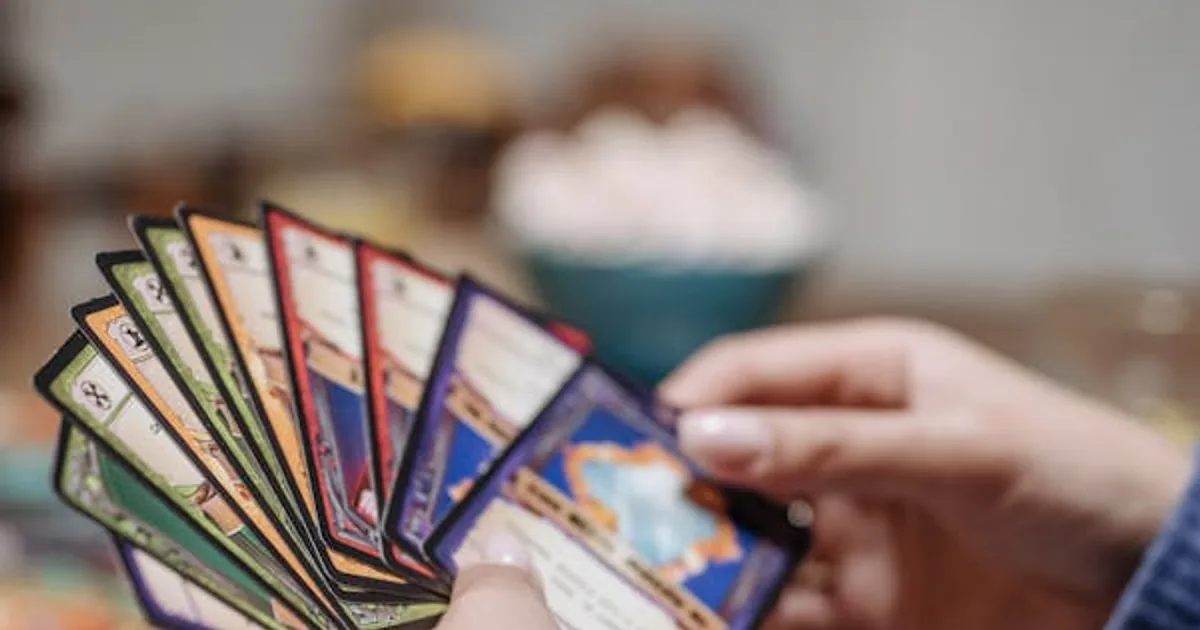
A trade binder is one of the most practical things you can build as a TCG collector. It creates a clear separation between cards you're keeping and cards you're moving, it makes you a more credible trade partner at events, and it gets you deals you'd never get just listing things online — because in-person trades happen fast when someone sees exactly what you have.
A bad trade binder, though, does the opposite. Cards crammed in with no logic, everything mixed together, the same unpopular cards sitting on page one for two years. That binder sends a message too, and it's not a good one.
Here's how to build one that works.
What goes in and what doesn't
The first rule is strict: only include cards you're willing to trade. This sounds obvious but it's consistently violated. Collectors put cards they half-want-to-keep in trade binders "just to see if anything good comes up," which creates hesitation in trades and annoyed trade partners. If you'd be disappointed to trade it away for fair value, it doesn't belong in the binder.
The second rule: leave out anything worth under $1. Trading bulk cards one at a time is inefficient for everyone. A $0.50 card takes as much time to negotiate as a $20 card and moves the needle on a trade by almost nothing. Bulk is better sold in lots on TCGPlayer or traded to a local game store by the hundred. Save your binder pages for cards someone will actually get excited about.
The third consideration: don't include cards you're holding for a specific deck. Trade binders are for moving inventory, not storing playsets you need for a tournament next weekend. Mixing the two creates confusion about what you're actually willing to part with.
The two-binder setup
Most serious traders eventually end up with two binders, and it's worth setting this up intentionally from the start rather than arriving there by accident.
The main binder holds cards in roughly the $1–$15 range. This is your everyday trade binder — what you bring to Friday Night Magic, local game store events, or casual trade meetups. It should be accessible, well-organized, and easy to flip through.
The secondary binder holds your high-value cards — anything $20 and up. This one doesn't need to come out for every trade. You show it when someone has something specific you want and you think you have the leverage to make it work. Keeping high-value cards separate protects them physically and creates a sense that accessing them means business.
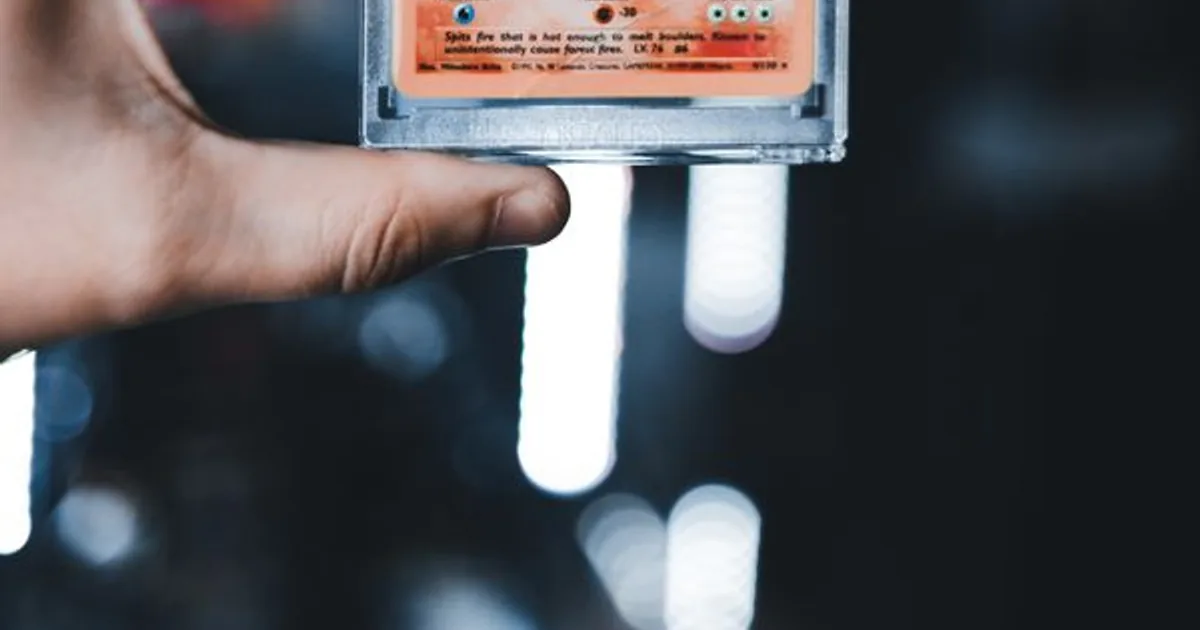
Some traders use a phone or binder sleeve system for ultra-high-value cards (anything over $100). These cards are better off in top loaders anyway, and bringing them loose to a trade table introduces real risk.
Organization that actually helps
The goal of binder organization is simple: when someone is flipping through your binder, they should be able to find what they're looking for quickly, and you should be able to pull a specific card in under 30 seconds.
The most functional system for multi-game traders is sorting by game, then by color or type within each game, then roughly by price within each section. In a MTG binder: White cards together, Blue together, Black, Red, Green, colorless/artifact, multicolor — the WUBRG order familiar to any Magic player. In a Pokémon binder: by type or by set, depending on whether you're targeting players (who think in types) or set collectors (who think in sets).
Within each section, put your best cards on the first page. The first page of each section sets the tone. If someone sees three chase cards on page one, they'll flip through the whole section. If they see three unremarkable commons on page one, they might not.
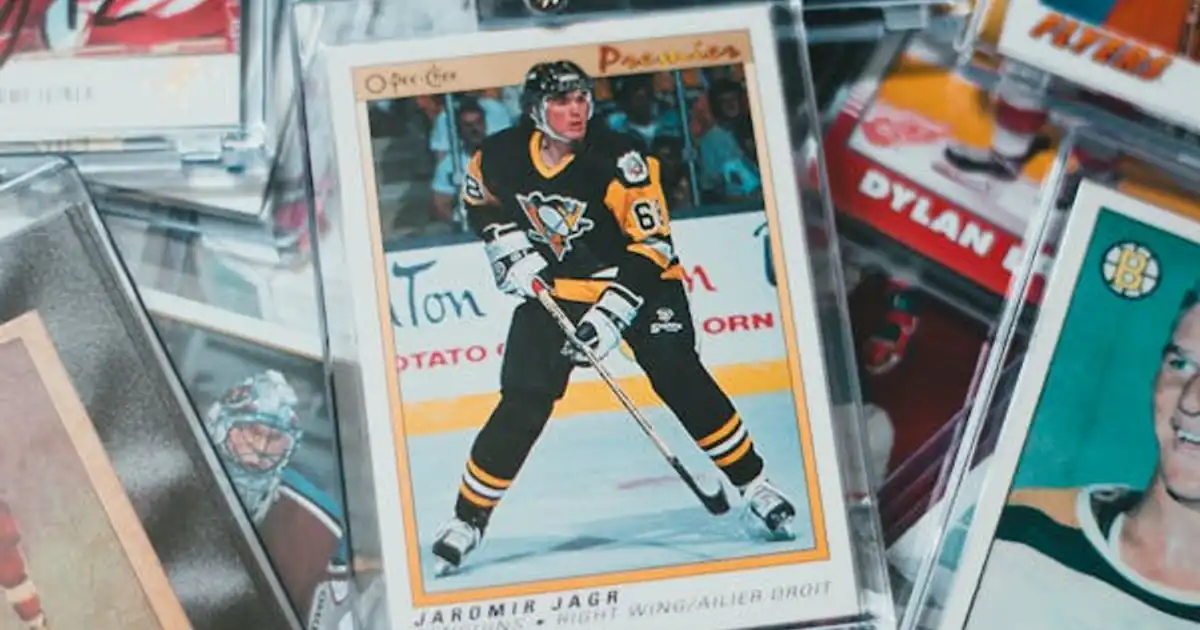
Don't overstuff binder pages. Eight cards total per page pocket is the baseline — four per side, two rows of two. Overstuffed pages make cards hard to remove and increase the chance of corner damage every time someone pulls a card out to look at it. Your trade binder should feel easy to navigate, not like a puzzle.
Pricing before you arrive
Know what your cards are worth before you sit down to trade. Checking prices on the day matters — Pokémon and Yu-Gi-Oh! prices in particular can shift week to week with tournament results and ban list updates. A card you priced two months ago might be worth significantly more or less today.
The trade tips article covers condition-adjusted pricing in detail. The most common mistake in trades is pricing cards at NM value when they're actually LP or MP — which either ends the trade before it starts (if the other person knows better) or creates a dispute after (if they don't notice until later).
Scryda's trade evaluator pulls current market prices for both sides of a trade, adjusted for condition. It doesn't replace judgment, but it gives you a real number before you commit. Check the pricing page for what's included.
Keeping the binder current
A trade binder needs maintenance. Cards that have been sitting in the same binder for six months without a single offer are either priced wrong, condition-graded wrong, or just not wanted right now. Pull them periodically and sell them outright on TCGPlayer or Cardmarket rather than waiting for a perfect trade that may not come.
Add new cards as you acquire them. When you open a pack and pull something you don't need, it should go straight into the landing zone for the trade binder — either directly into the binder at the right spot or into a "to be sorted" pile you process weekly.
The collection organization guide covers the landing zone and weekly processing habit in detail. The same system that keeps your collection organized keeps your trade binder from becoming a graveyard of cards you forgot you had.
FAQ
Should I put prices on cards in my trade binder? Some traders do, most don't. Putting prices in writing creates rigidity — if the market moves, your listed prices are wrong and you look out of touch. Instead, know your prices before you arrive and be ready to state them confidently. Flexibility in the negotiation is easier when nothing is written down.
How many cards should a trade binder have? Enough to offer real options, not so many that it becomes unwieldy. A 200–400 card binder is manageable and gives trade partners plenty to flip through without being overwhelming. If your binder is getting too large, sort ruthlessly: sell anything you haven't had a single trade offer on in three months.
Is it worth building a trade binder if I mostly sell online? Yes, for different reasons. In-person trades move cards at full trade value, while selling online means absorbing 10–15% in platform fees. A $20 card you trade for a $20 card you want costs you nothing. The same transaction online costs you $2–3 in fees on the sell side. Over time, that adds up.
Share this article
Browse the card catalogue
Full card lists and live market prices, free and with no sign-up.
Related articles