How to Organize Your TCG Collection Properly
Bad organization costs collectors real money. Here's a practical system for storing, sorting, and tracking cards across multiple TCGs.
Most TCG collectors have lost a card they knew they owned. Not lost it out of the house — lost it inside the collection. Wrong binder. Wrong box. Sleeved with a completely different set. You remember pulling it. You can't find it. Eventually you buy another copy.
It happens more than people admit. At $50 a card, it stops being a minor annoyance.
Separate by purpose, not by game
The instinct is to organize by TCG — one binder for Pokémon, one for MTG, one for Yu-Gi-Oh!. That works until the collection gets large enough that binders multiply and you can't remember which one has what.
A better split is by what you plan to do with each card:
- Cards currently in decks (active play)
- Cards you're keeping long-term (collection)
- Cards you're willing to trade or sell (trade stock)
- Everything under $1 (bulk)
These four buckets have different storage needs and different access patterns. Mixing them is where things go wrong.
Storage by category
Active play cards stay sleeved in a deck box, ready to use. Don't store these in binders between sessions. Cards that go in and out of binders regularly pick up edge wear fast. A deck box keeps them protected and accessible without the repeated handling.
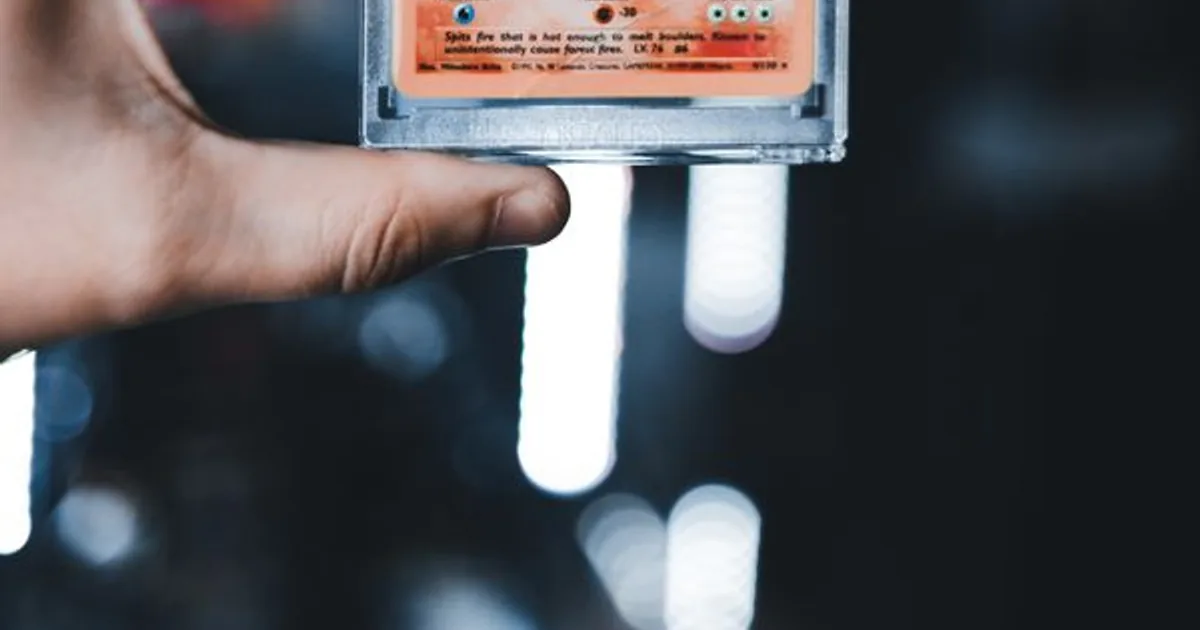
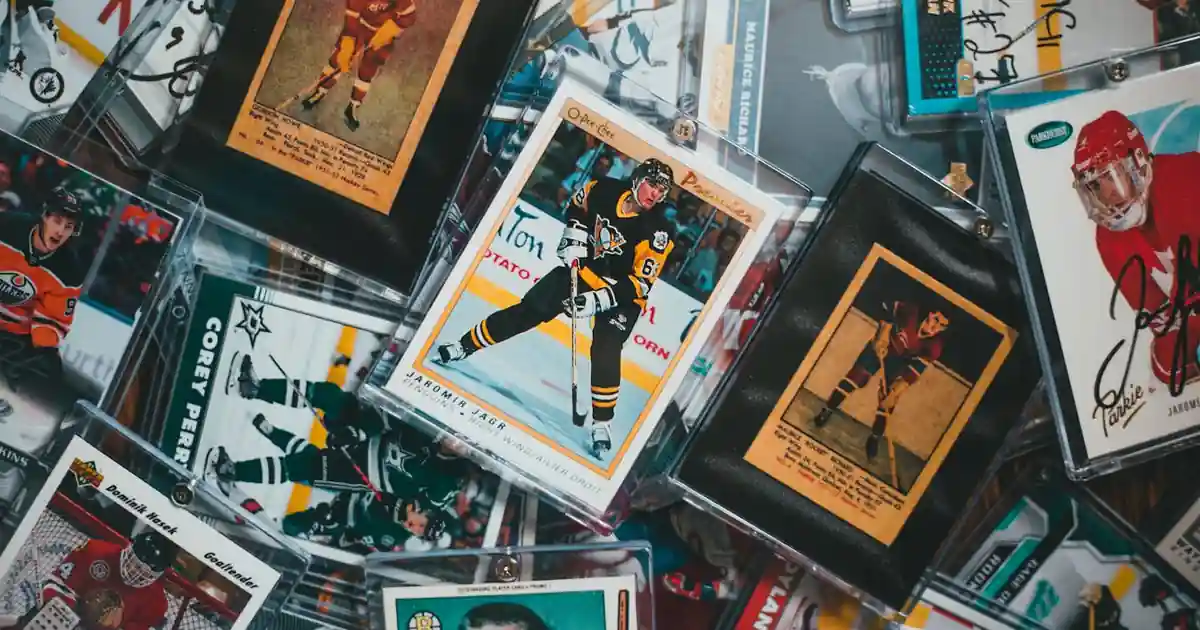
Collection cards — anything over $10, anything you'd actually be upset to lose — get individual protection. Ultra Pro top loaders or semi-rigid card savers up to $50. Magnetic one-touch holders for anything above that. Store them vertically, not flat under a stack of other cards. Flat storage with weight on top causes warping, especially if your space has any humidity variation.
Trade stock goes in a binder with side-loading pockets, not top-loading. Top-loading binders drop cards when you tilt them, which is exactly what you don't want at a trade table. Sort trade stock by rough price range so you can navigate quickly when someone's interested.
Bulk goes in BCW storage boxes — 800-count or 1000-count cardboard. Sort however makes sense for how you use it. The organization matters less here because you're not hunting for specific valuable cards; you're pulling fodder for trades or buylist submissions.
How much sleeve protection you actually need
Not every card needs the same treatment. Over-sleeving everything gets expensive fast, and sorting through 500 double-sleeved commons is genuinely annoying.
A workable breakdown: commons under $0.50 go loose in bulk boxes. $0.50–$2 gets a penny sleeve from Dragon Shield or similar. $2–$20 goes in a single sleeve in a binder or deck box. $20–$100 goes in a top loader. Over $100 gets double-sleeved in a magnetic one-touch, or you're considering a grade submission.
Plenty of collectors sleeve everything and that's fine. But if you're managing a few thousand cards across multiple TCGs, applying the same protection level to a bulk common as to a $60 foil is just unnecessary friction.
Actually knowing what you own
The other half of organization is having a record. Without one, you buy duplicates, you misprice trades, and you have no idea what your collection is actually worth.
Spreadsheets work but they degrade. You miss an update, then another, and after a few months you stop trusting it and stop using it.
Scryda's collection tracker handles Pokémon, MTG, Yu-Gi-Oh!, Lorcana, and One Piece in one place. Scan the card, it identifies the set and print edition, logs it with current market pricing. When you trade or sell something, remove it. The total stays current without manual maintenance. See how the collection tracker works if you're managing more than a few hundred cards across multiple games.
For anything high-value you're considering grading, the PSA grading guide is worth reading first — grading costs add up, and it's not always the right move. The trade tips article covers how to price trades accurately in the moment, which matters once your collection has real value in it.
The new card problem
Organization usually breaks down at the intake point. You open a box, pull cards, and they pile up on the desk for two weeks. By the time you sort them, you've half-forgotten what you got, some cards have drifted to random spots, and the pile has just become background clutter.
The fix is a landing zone. One box or tray where all new cards go immediately. Once a week, process it: scan anything worth tracking, sleeve appropriately, route to the right storage location. Twenty minutes weekly. Two hours if you let it sit for a month.
Signs your system needs rebuilding
A collection organization system needs maintenance roughly every time the collection doubles in size. A setup that worked at 300 cards starts to feel strained at 600.
The obvious signs: you can't find a card you know you own, you've bought duplicates, or digging through trade stock for a specific card takes more than a couple of minutes. When any of those happen, it's time to re-sort by purpose, add protection to higher-value cards, and reset the intake habit.
FAQ
Should I organize by TCG or by value? By purpose first — active play, collection, trade stock, bulk — then by TCG within each category. A trade card sitting in your collection binder doesn't move because you can't find it quickly when someone's interested.
What's the minimum protection for cards worth $20–$50? Single sleeve inside a top loader or semi-rigid holder. Above $50, magnetic one-touch. Double-sleeving in a top loader is also common at that range and adds extra protection during handling.
How often should I update my collection value? If you're tracking manually, check high-value cards every couple of months — prices move. If you're using an app with live market data, it updates automatically.
Share this article
Browse the card catalogue
Full card lists and live market prices, free and with no sign-up.
Related articles