How to Start Collecting Trading Cards
Starting a TCG collection without wasting money takes a few decisions upfront. Pick the right game, skip packs, and build something that lasts.
Most people start collecting trading cards the same way: they open a pack or two, pull something they like, and then find themselves 3 months later with a pile of random cards, no clear focus, and no idea what any of it is worth. The hobby is easy to get into and surprisingly easy to get into badly.
The difference between a collection that grows into something meaningful and a pile of random cards that costs money and takes up space comes down to a few decisions made early.
Pick one game and stick with it
The first mistake is trying to collect Pokémon, MTG, and Yu-Gi-Oh! at the same time. Each game has its own set structure, rarity system, pricing dynamics, and secondary market. Learning one of them well enough to make smart buying decisions takes months. Trying to learn three simultaneously means you never learn any of them well — and you spend money across all three without building real knowledge in any.
Pick the game you're most drawn to and focus there for at least six months. You can expand later. The knowledge compounds: once you understand how set rotations affect MTG prices, the concept transfers to other games. But you need the foundation first.
If you're choosing for the first time: Pokémon has the most developed secondary market, the most accessible beginner information, and cards that hold collector value independent of gameplay. MTG has the richest gameplay and the most complex card economy. Yu-Gi-Oh! has the steepest learning curve but a passionate community. Lorcana and One Piece are newer with smaller but growing markets.
Don't start with booster packs
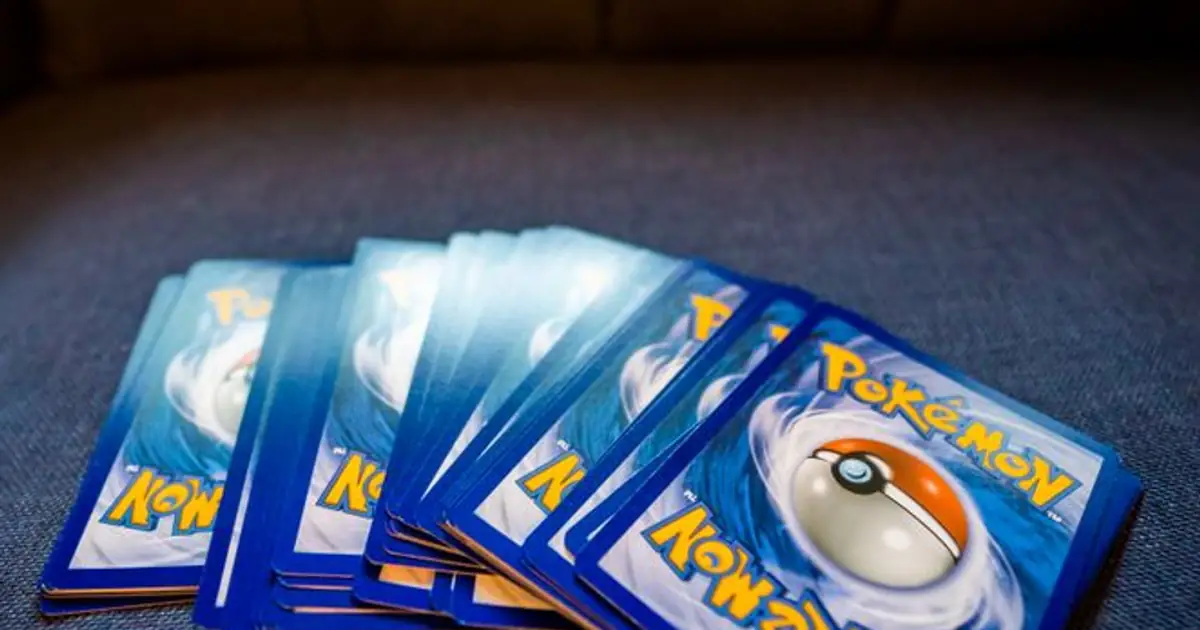
This is the advice that saves the most money. Booster packs are the worst value-for-money way to get specific cards. The expected value of cards inside a Pokémon booster pack is consistently below the pack's retail price — that's not a temporary market condition, it's by design. The Pokémon Company makes money selling packs; they're not giving you more value than you pay for.
Opening packs is entertaining. It's also how you end up with 40 duplicates of cards worth $0.10 each and none of the cards you actually wanted.
Buy singles instead. If you want a specific card, find it on TCGPlayer or Cardmarket and buy it for its actual market price. You'll always spend less money than you would trying to pull it from packs. The booster box vs singles guide breaks down the math in detail.
The exception: buying one booster box of a set you want to collect is a reasonable way to get most of the common and uncommon cards cheaply, after which you buy the remaining rares and secret rares as singles. One box, then singles. Not endless boxes.
Understand condition from day one
A card in Near Mint condition is worth more than the same card in Moderately Played. On a $5 card, this gap is small. On a $100 card, the gap is $40–60. On a valuable vintage card, the gap is hundreds of dollars.
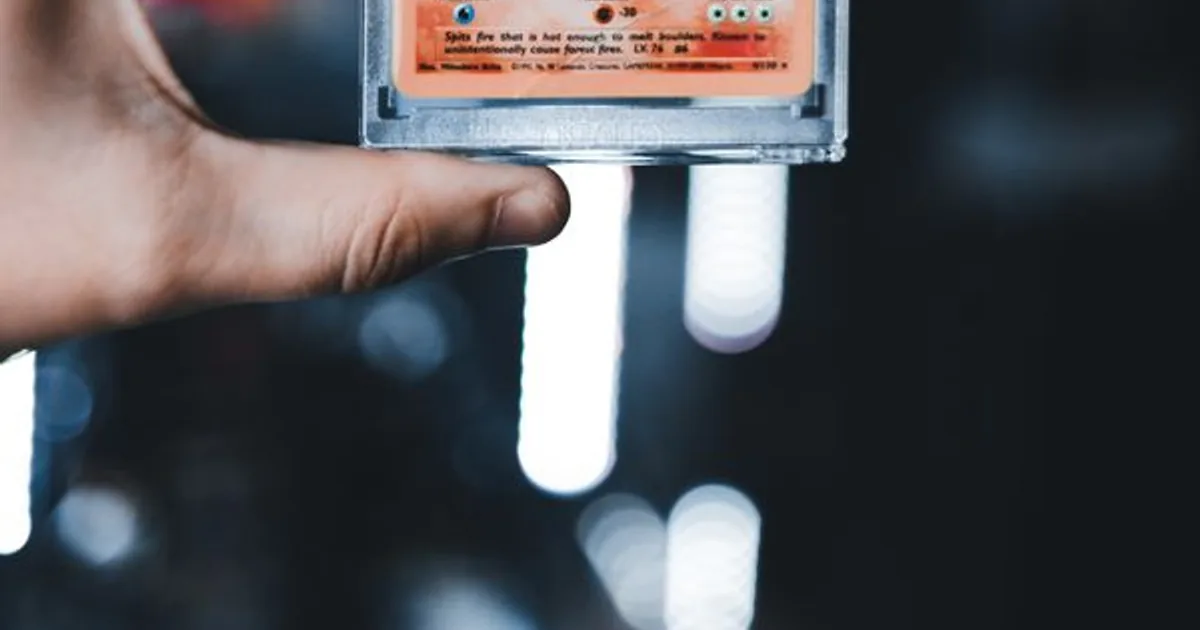
Sleeve cards you care about immediately. A sleeve costs $0.05–0.10. The damage from a single session of unsleeved play — edge whitening, light scratches — can knock a card down one or two condition grades. That downgrade is permanent.
The card conditions guide explains exactly what each condition means and how to assess your cards honestly. Worth reading before you start buying or selling anything.
For storage, a basic setup works: penny sleeves for anything over $0.50, top loaders for anything over $20. You can get more sophisticated later. The important thing is starting the habit of protecting cards immediately.
Know what you're actually collecting
Are you collecting for the game, for the art, for investment, or for nostalgia? These goals lead to very different buying decisions.
Game-focused collectors want playable cards in current formats. The value of these cards is directly tied to whether they stay in format — when cards rotate out or get banned, their prices often drop significantly.
Art and nostalgia collectors want specific Pokémon, characters, or sets that mean something to them personally. This is the most stable form of collecting because you're not dependent on format legality or market trends.
Investment-focused collecting is the most complex and the riskiest for beginners. If you don't know the market well, you'll buy at the wrong time, hold the wrong cards, and sell at the wrong time. Build knowledge for at least a year before treating cards as a financial investment.
Most people are in the nostalgia/art camp whether they admit it or not — they want the cards they grew up wanting. That's a completely valid reason to collect, and often smarter than chasing investment.
Track what you have
Once your collection has 100+ cards, keeping track in your head stops working. You'll buy duplicates. You'll forget which set a card is from. You'll misquote what you have in a trade.
Scryda's collection tracker lets you scan cards and log them with current market pricing across Pokémon, MTG, Yu-Gi-Oh!, Lorcana, and One Piece. Scan as you acquire, remove as you sell or trade — your collection stays accurate and valued without manual spreadsheet maintenance. See how the tracker works to get started.
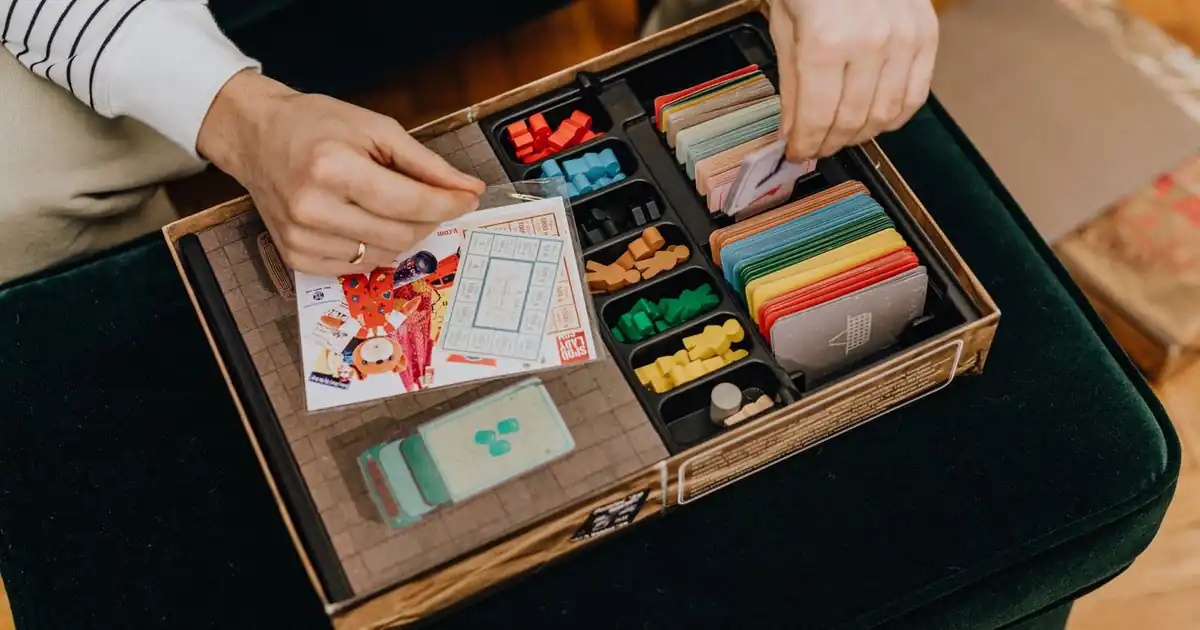
For the physical organization side, the collection organization guide covers storage by purpose rather than by game — the system that actually scales.
A starter budget framework
If you're starting from zero with $100:
Spend roughly $15–20 on sleeves and a binder — setup you'll use for years. Spend $60–70 buying specific singles you actually want, chosen because you know what they are and why you want them. Save $15–20 to buy more singles after you've learned a bit more about the game's pricing. Skip booster packs entirely for the first month.
This approach gets you cards you care about, in good condition, with money left to learn more before committing further.
FAQ
Which trading card game should I start collecting? Pokémon for the most accessible secondary market and collector-friendly information. MTG if you want gameplay depth alongside collecting. Yu-Gi-Oh! if you're drawn to the IP and competitive scene. Lorcana and One Piece if you want a newer market with room to grow.
How do I know if a card is worth buying? Check recent sold listings on TCGPlayer or eBay for the specific card in the condition you're looking at. Listed prices are not the same as what cards actually sell for — sold price data is what matters.
Is collecting trading cards a good investment? For beginners, no. Building enough market knowledge to make good investment decisions takes 1–2 years minimum. Collect what you enjoy first, and let investment thinking come later after you understand how prices move.
Share this article
Browse the card catalogue
Full card lists and live market prices, free and with no sign-up.
Related articles