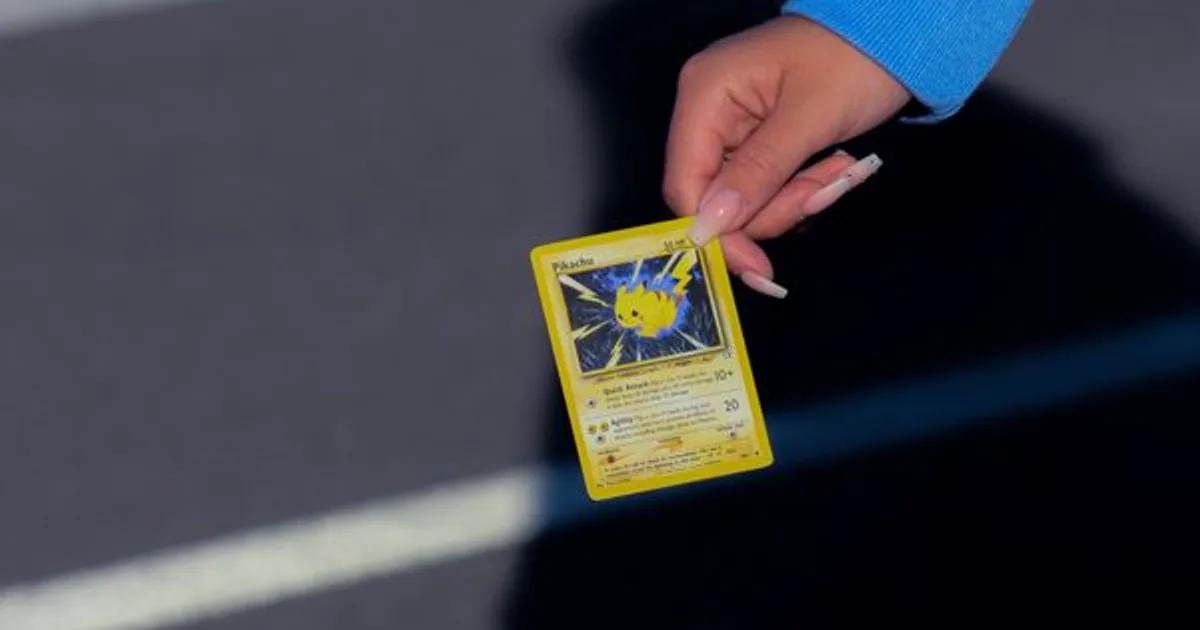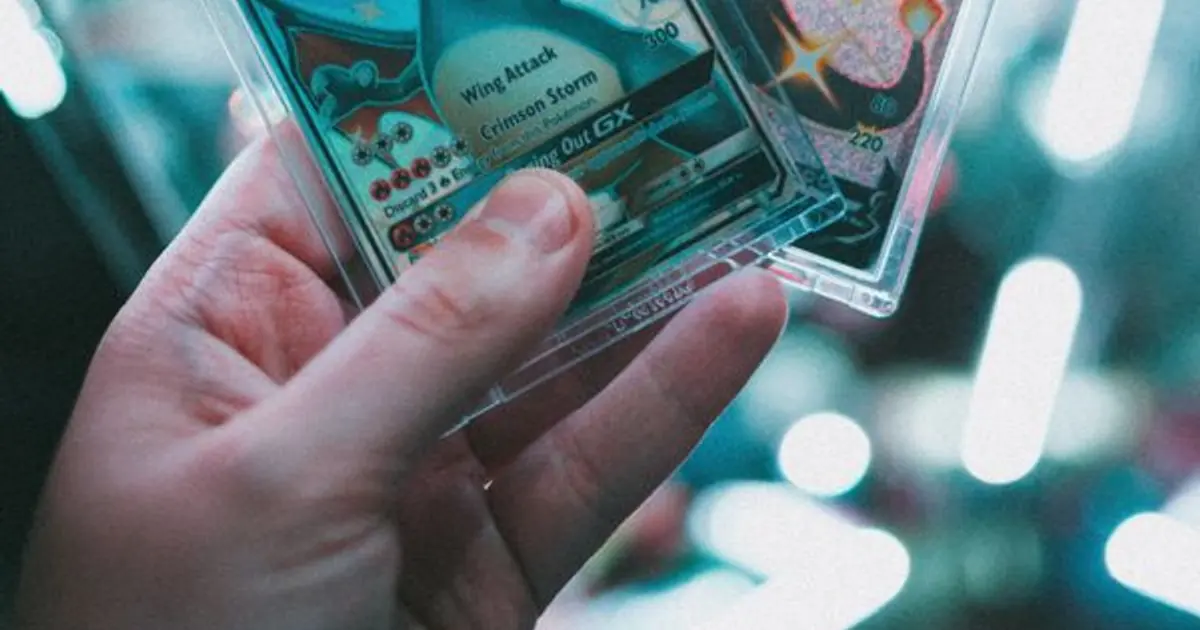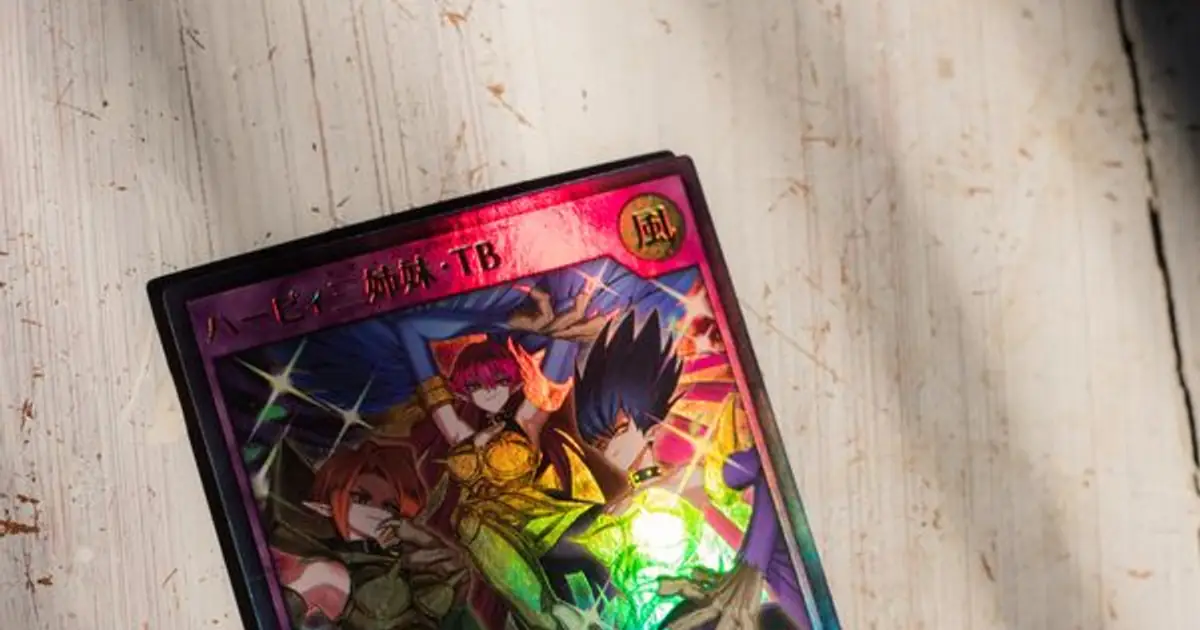
Common to Ghost Rare, Yu-Gi-Oh! has more rarities than any other TCG — and the foil pattern doesn't always mean what you think. Here's the full breakdown.
Yu-Gi-Oh! has more rarities than any other major trading card game, and they multiply every year. Where Pokémon uses symbols and Magic uses four color-coded tiers, Yu-Gi-Oh! distinguishes its rarities mostly by how the foil is applied — to the art, the name, the border, or some combination — and there are well over a dozen of them.
The good news: you don't need to memorize all of them to function. You need to recognize the common ones on sight and understand the one thing new collectors get wrong, which is that rarity in Yu-Gi-Oh! does not reliably equal value. Let's sort it out.
How to actually tell rarities apart
The trick is to look at three things: the card name, the artwork, and whether there's any holofoil. Different rarities foil different parts. Once you know what to look at, most of them are identifiable in a second.
Here are the ones you'll actually encounter, roughly bottom to top:
- Common — no foil anywhere. Matte name, matte art. The bulk of every set.
- Rare — silver foil card name, no holo on the art. Easy to miss; tilt it and the name shines.
- Super Rare — holofoil artwork, but a plain (non-foil) name. The art shimmers, the name doesn't.
- Ultra Rare — holofoil art and a gold-foil name. The classic "good pull" look. Both the picture and the title shine.
- Secret Rare — a distinctive diagonal rainbow/prismatic foil across the art and a foil name. Catches light differently from an Ultra; once you've seen one you won't confuse it.
- Ultimate Rare — embossed, textured foil you can feel — the art and borders are physically raised. Rare and often valuable.
- Ghost Rare — a ghostly, almost 3D silver-white treatment on the artwork. Scarce and usually pricey.
- Collector's Rare — a matte-finish prismatic foil with a textured surface, introduced more recently. Konami keeps these scarce on purpose.
- Starlight Rare (a.k.a. Alternate Rare) — full-card prismatic "shatter" foil covering the entire card. The modern chase rarity, often the most expensive card in a set.
There are more — Gold Rare, Platinum Rare, Quarter Century Secret Rare, Prismatic Secret Rare, and others tied to specific products — but the list above covers the vast majority of what's in a binder.
Why higher rarity doesn't always mean more money
This is the part that trips people up, so it gets its own section.
In Yu-Gi-Oh!, the main driver of a competitive card's price is tournament demand and the Forbidden & Limited list, not its foil treatment. A Common or Rare printing of a staple that every deck runs can be worth more than a Super Rare of a card nobody plays. Players need playsets, and they buy the cheapest printing that's tournament-legal — which is often the lowest rarity. The cards worth money guide digs into how that pricing actually works.
So a high rarity adds value on top of demand; it doesn't create demand. A Secret Rare of a bad card is a shiny bad card. Where rarity reliably matters is on the collector side — the chase rarities (Ghost, Collector's, Starlight, Ultimate) are scarce by design, so they hold value on scarcity even when the card isn't competitive. That's the cleanest place rarity and value line up.
The same card, many rarities
One thing that surprises people coming from other games: a single Yu-Gi-Oh! card can exist in a dozen rarities across its printings. Ash Blossom & Joyous Spring alone has Common, Super, Ultra, Secret, and several special rarities depending on the product.
This is why you can't price a Yu-Gi-Oh! card by name alone — you have to know which printing you're holding. The set code on the bottom of the card (like MP23-EN or LOB-EN) plus the rarity tells you the exact version, and the exact version is what has a price. Two cards with the same name and art can be worth $2 and $200. Check the set code and rarity together against a marketplace like TCGPlayer or Cardmarket, and confirm a competitive card's ban-list status before you trust any price.
Identifying rarities at scale
Sorting a big collection by rarity by eye is doable but slow, especially across printings where the same card shows up in three different foils. Tilt-the-card-under-the-light is reliable but it's one card at a time.
Scryda reads Yu-Gi-Oh! cards including the foil treatment and print edition, logs each one with its set code, and attaches a current market price — so you're identifying the exact printing, not just the card name, which is the whole ballgame in this game. For a binder full of mixed rarities, that's the difference between an afternoon of squinting and a real catalogue. See the Scryda Yu-Gi-Oh! page for set coverage.
The short version
Learn to spot the common rarities by where the foil sits — name, art, or whole card — and remember that in Yu-Gi-Oh!, rarity is the tiebreaker on value, not the engine. Demand and the ban list set the price; rarity adds a premium on top, and matters most for the scarce collector treatments. Know the printing you're holding and you'll never sell a $200 card for $2 again.
Frequently asked questions
What's the rarest Yu-Gi-Oh! rarity? Among widely-printed rarities, Starlight Rare (full-card prismatic shatter foil) and Ghost Rare are the scarcest chase cards in modern sets. Special-product rarities like Quarter Century Secret Rare can be scarcer still. These hold value on scarcity even when the card isn't competitive.
How do I tell a Super Rare from an Ultra Rare? Look at the card name. A Super Rare has holofoil art but a plain, non-foil name. An Ultra Rare has holofoil art and a gold-foil name. If the title shines, it's at least Ultra.
Does a higher rarity always mean a card is worth more? No. In Yu-Gi-Oh!, competitive demand and the Forbidden & Limited list drive price more than foil. A cheap Rare of a tournament staple can outvalue a Secret Rare of an unplayed card. Rarity reliably adds value mainly on scarce collector treatments.
Why does the same card have so many rarities? Konami reprints popular cards across many products and rarities over the years. That's why you can't price a card by name alone — the set code plus rarity identifies the exact printing, and the printing is what has a price.
Share this article
Browse the card catalogue
Full card lists and live market prices, free and with no sign-up.
Related articles