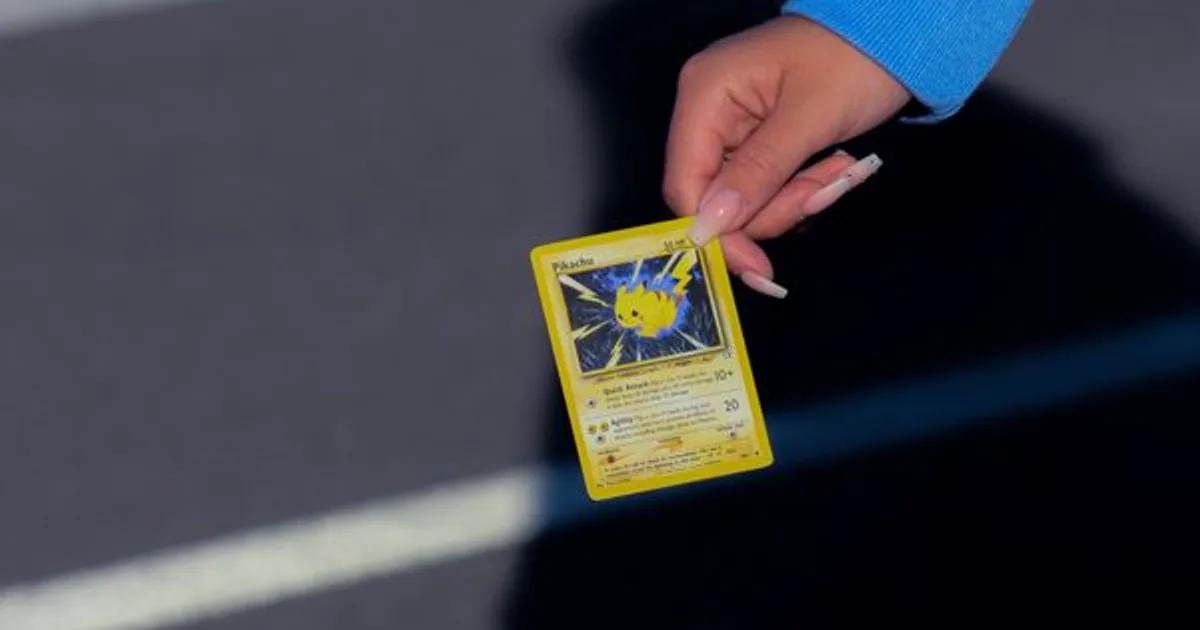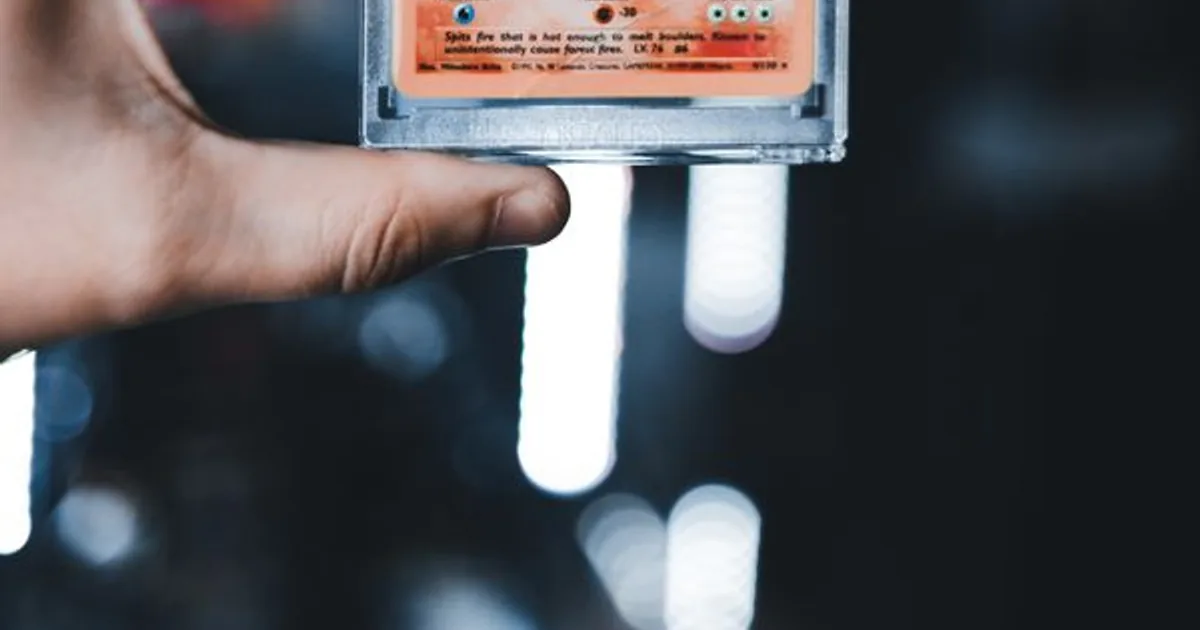
How to ship trading cards safely — the penny-sleeve-and-toploader stack, the right mailer, when to use tracking and signature, and how to send graded slabs.
Learning to ship trading cards safely is the difference between a smooth sale and a "card arrived bent" message that costs you a refund and your rating. It's not complicated, but there's a right way, and most damaged-in-transit cards come down to the same avoidable mistakes — a card floating loose in a bubble mailer, tape stuck to the toploader, or a $200 card sent with no tracking. Here's the method that gets cards there intact.
The packing stack
For a raw single, the protection goes on in layers, inside to out:
- Penny sleeve. Slide the card in first, holding it by the edges. This is the soft layer against the card face.
- Toploader or semi-rigid holder (a Card Saver-style holder). The sleeved card goes inside this rigid shell. This is what stops bends.
- Team bag. The loaded toploader goes into a team bag — a thin resealable sleeve sized for a toploader.
- Tape the team bag, never the toploader. Use blue painter's tape, not Scotch or packing tape. Painter's tape peels off without residue, and taping the bag rather than the holder means no adhesive ever touches something the buyer has to fight to remove. Folding over a small pull tab on the tape is a courtesy that makes opening easy.
- Cardboard sandwich. For anything you actually care about, cut two pieces of cardboard slightly larger than the holder and tape or band them around it. This is what defeats the postal sorting machines that flex everything they touch.
That stack — sleeve, toploader, team bag, cardboard — is the standard for a reason. It survives the mail.
Choosing the right mailer
Match the envelope to the card's value. This is where people either overspend on a $3 card or underprotect a $300 one.
| Card value | Method | |---|---| | Under ~$20 | PWE (plain white envelope) with a cardboard sandwich, or eBay Standard Envelope | | ~$20–$50 | Bubble mailer with the card team-bagged and cardboard-braced, sent with tracking | | Over ~$50 | Rigid mailer or a small box, cardboard sandwich inside, tracking and often signature |
A plain white envelope (PWE) costs about the price of a stamp and is fine for cheap cards — but it has no real tracking, which means if a buyer claims it never arrived, you lose the dispute. Only send cards you can afford to lose this way.
The eBay Standard Envelope is the smarter cheap option if you're selling on eBay in the US. It's for trading cards under $20, costs less than a stamped PWE (roughly $0.75–$1.30 depending on weight), and — crucially — includes integrated tracking, so it satisfies eBay's seller protections in a way a PWE doesn't.
For anything mid-value and up, a bubble mailer with tracking (hobby sellers call this a BMWT) is the workhorse: team-bagged card, cardboard sandwich for rigidity, dropped in a bubble mailer, sent tracked. Note that the bubble mailer itself isn't the protection — the cardboard is. Bubble mailers compress under machine pressure, so a card that isn't braced can still bend inside one.
Shipping service, tracking, and insurance
In the US, USPS Ground Advantage is the standard hobby choice — 2 to 5 days, and it includes $100 of insurance at no extra charge, which covers most single-card sales automatically. Use it (or any tracked service) for anything worth roughly $20 or more; tracking is what protects you in an "item not received" dispute.
Scale the protection with the price:
- Under ~$20: PWE or eBay Standard Envelope is fine.
- ~$20 and up: tracked service (Ground Advantage or equivalent).
- High value: add extra insurance (USPS sells coverage up to $5,000 based on declared value) and consider Signature Confirmation (a few dollars) so an expensive package can't be left on a porch or claimed as never-arrived.
Postage prices drift upward every year, so treat any figure here as a ballpark and check current USPS rates at the counter or online.
Shipping graded slabs
Graded cards need a different approach, because the slab is rigid but heavy and will happily slide around and crack a corner if it can move. The method:
- Put the slab in a graded-card sleeve.
- Bubble-wrap the whole slab, evenly, on all sides.
- Sandwich it in cardboard as a firm outer shell.
- Place it in a box or a sturdy bubble mailer — and fill every gap so it can't shift. Movement is what breaks slabs.
For a valuable slab, use a box rather than a mailer, and add signature and insurance. There are purpose-made slab mailers if you ship graded cards often.
Shipping internationally
Sending cards abroad works, but two things matter more than usual. Use a tracked international service and a buyer-protection payment method (eBay or PayPal Goods & Services), because an untracked international loss is almost impossible to recover. And fill out the customs form accurately — the declared value should match the sale, and be aware that writing "Pokémon cards" or similar on the outside can, in some regions, raise the odds of a package walking off. Trading cards themselves rarely face import restrictions.
Before you ship: know what it's worth
The right amount of protection depends on the card's value, and it's easy to under- or over-pack when you're guessing. Scryda reads a card and shows its current market value in seconds, so you know instantly whether you're shipping a $4 card that can go PWE or a $150 card that needs a box, tracking, and a signature. Download Scryda to check before you pack. Once it's sold, the where to sell trading cards online guide covers picking the right marketplace, and if you're clearing out a bigger lot, how to sell your collection walks through it. For grading the condition of what you're sending, the card conditions guide sets the baseline.
Frequently asked questions
What's the best way to ship a single trading card? Sleeve it in a penny sleeve, put it in a toploader or semi-rigid holder, seal that in a team bag, tape the bag (not the holder) with painter's tape, and brace it between two pieces of cardboard. Match the mailer to value — PWE or eBay Standard Envelope under $20, a tracked bubble mailer above that.
Do I need tracking to ship cards? For anything worth roughly $20 or more, yes. Tracking is what protects you if a buyer claims the card never arrived. USPS Ground Advantage includes tracking and $100 of insurance. For cheap cards under $20, a plain white envelope or the tracked eBay Standard Envelope is fine.
How do I ship a graded card? Sleeve the slab, bubble-wrap it evenly on all sides, sandwich it in cardboard, and place it in a box or sturdy mailer with every gap filled so it can't move. Movement cracks slabs. Add signature and insurance for valuable ones.
Should I use painter's tape or regular tape? Painter's tape. It peels off cleanly without residue, and you tape the team bag rather than the toploader so no adhesive ever touches the card holder. Regular Scotch or packing tape can stick to and damage the holder or the card.
Share this article
Browse the card catalogue
Full card lists and live market prices, free and with no sign-up.
Related articles