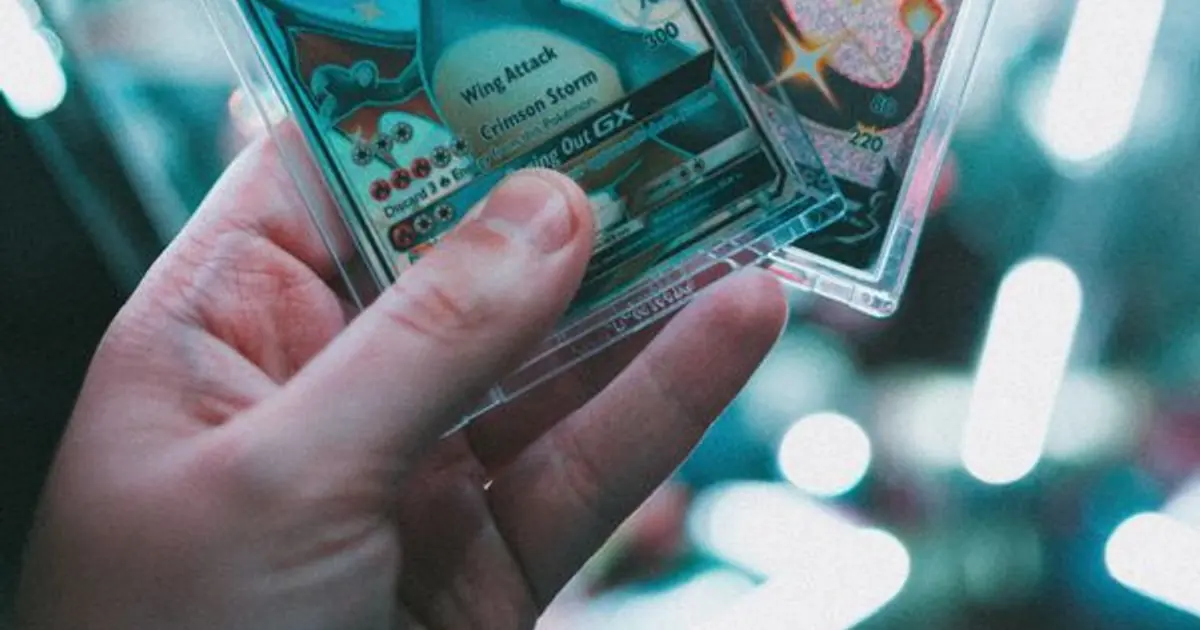
eBay, TCGplayer, Whatnot, local shops, or consignment? A breakdown of where to sell trading cards online in 2026 — fees, audiences, and what each is best for.
Deciding where to sell trading cards online comes down to a trade-off between how much work you want to do and how much of the card's value you want to keep. Sell fast and easy, and you'll usually net less. Sell for top dollar, and you'll pay in fees, effort, or time. There's no single best venue — there's a best venue for a particular card and a particular seller. Here's how the main options actually compare in 2026.
The quick comparison
| Venue | Rough fees | Best for | |---|---|---| | eBay | ~13% + ~$0.30/order | Graded cards and mid/high-value singles | | TCGplayer | ~10.75% + fees | High-volume raw singles | | Whatnot | ~11% all-in | Lots, breaks, live selling | | Local card shop | 40–70% of value | Instant cash, bulk, whole collections | | Cardmarket (EU) | 1.5–5% | Reaching European buyers | | Consignment/auction | ~5–10% | High-end single cards |
Fees change — every platform on this list has adjusted rates recently — so confirm current numbers before you list. But the shape of the trade-offs is stable.
eBay
eBay has the largest buyer base for cards, and it's the default for graded slabs because buyers search by grade and population. Fees for the trading-card category run about 13.25% of the total (item, shipping, and tax) plus roughly $0.30 per order.
Two features matter. The eBay Standard Envelope lets you ship cheap cards (under $20) tracked for well under a dollar. And eBay's Authenticity Guarantee automatically routes eligible cards — raw and graded — over about $250 through a physical authenticator at eBay's cost, which both reassures buyers and protects you from fraudulent returns.
Best for: almost anything, and the clear default for graded and mid-to-high-value singles. The cost is the highest fee load on this list and buyer-friendly return rules.
TCGplayer
TCGplayer is the dedicated marketplace for TCG singles — Pokémon, Magic, Yu-Gi-Oh!, Lorcana, One Piece — and it's built for people moving a lot of them. As of early 2026, the marketplace commission is about 10.75% plus a 2.5%-and-$0.30 transaction fee, with a Pro seller tier that lowers the commission for a subscription. Fees are capped per product, which helps on pricier cards.
Best for: volume sellers with lots of raw singles who'll use the pricing tools. The downside is a race-to-the-bottom pricing dynamic and more overhead than a casual seller wants.
Whatnot
Whatnot is the live-auction app that's grown fast as a card-selling channel. You sell on a livestream, and buyers bid in real time. Fees are roughly 8% commission plus payment processing, landing around 11% all-in, with no listing or subscription fees.
Best for: lots, bulk, breaks, and anyone comfortable selling live — an engaged audience and auction energy can push prices past fixed listings. The catch is that it takes real effort and presence, and auction results are variable.
Local card shops
Not online, but it belongs in any honest comparison because it's the fastest exit. A local shop pays cash on the spot — typically 40–60% of market value on desirable singles, sometimes 60–70% on hot staples, and less on bulk. Store credit usually gets you a better rate than cash.
Best for: instant cash, offloading bulk or a whole collection quickly, and skipping fees, shipping, and buyer disputes entirely. You're trading a chunk of the value for speed and certainty — sometimes that's exactly the right deal.
The others
A few more venues worth knowing:
- Facebook Marketplace and groups charge no selling fees and reach local and niche-community buyers, but carry the highest fraud risk. Insist on platform checkout or PayPal Goods & Services and avoid irreversible payment methods like Zelle, Venmo, or gift cards with strangers.
- Mercari takes a flat ~10% and is a simple option for casual singles and lots, though its card-specific audience is smaller than eBay's.
- StockX and Alt are built around graded slabs, where the grade and population do the trust work; both run around 9–12% and suit liquid, popular graded cards.
For European sellers: Cardmarket
If your buyers are in Europe, Cardmarket is the dominant TCG-singles marketplace, and its fees are gentle — commission runs from about 5% for private sellers down to 1.5% for high-volume Powersellers, calculated on the item price and capped per article. It's essential for reaching EU buyers, with the usual cross-border customs friction to account for.
High-end: consignment and auction houses
For genuine grails — four figures and up — an auction house or consignment service earns its cut through reach and marketing you can't replicate yourself. Fanatics Collect (formerly PWCC) and Goldin handle high-value cards with seller fees generally in the 5–10% range, negotiable on the biggest consignments. The move for a large collection is to split it: hand the top few headline cards to consignment, sell the mid-tier singles on eBay, and dump bulk to a local shop for fast cash.
Raw or graded? Singles or bulk?
Two decisions shape your net more than the venue does.
Raw vs. graded: only grade before selling when a PSA 10 sells for roughly 3x the raw price and the card genuinely looks gem-mint. Grading costs money and weeks of turnaround, and a card that comes back a 9 often erases the margin. Sell raw otherwise. If you're weighing it, the grading guides cover the math.
Singles vs. bulk: sell valuable cards individually for the best return, and move commons and bulk as lots or straight to a shop for speed. Listing bulk one card at a time isn't worth your hours.
Price everything first
Every one of these decisions depends on knowing what your cards are actually worth — and pricing a collection by hand, card by card, is where most people stall out or leave money on the table. Scryda reads each card, identifies the exact print and condition, and shows its current market value with price history, so you can sort a collection into "list individually," "bulk lot," and "not worth the effort" in one pass. Download Scryda, price what you've got, then pick the venue that fits. When it sells, the shipping guide covers getting it there intact, and how much is my collection worth helps you value the whole thing first.
Frequently asked questions
Where can I sell trading cards for the most money? For individual mid-to-high-value and graded cards, eBay usually nets the most thanks to its huge buyer base, despite the ~13% fees. For genuine high-end grails, an auction house like Goldin or Fanatics Collect can beat it. Local shops pay the least (40–70% of value) but pay instantly.
What's the cheapest way to sell cards online? By fees, Cardmarket (in Europe) and local shops (no platform fees) are cheapest, and Whatnot and TCGplayer sit below eBay. But the cheapest fees don't always mean the most money in your pocket — a bigger audience can outweigh a higher fee. Factor in reach, not just the percentage.
Should I sell my cards individually or as a lot? Sell valuable singles individually for the best return. Move commons, bulk, and low-value cards as lots, or take them to a local shop, since listing them one at a time isn't worth the time. For a large collection, split it: headliners to consignment or eBay, bulk to a shop.
Is it safe to sell cards on Facebook Marketplace? It can be, but it has the highest fraud risk of the common venues. Use platform checkout or PayPal Goods & Services, meet in a public place for local deals, and never accept irreversible payments like Zelle, Venmo, or gift cards from someone you don't know.
Share this article
Browse the card catalogue
Full card lists and live market prices, free and with no sign-up.
Related articles