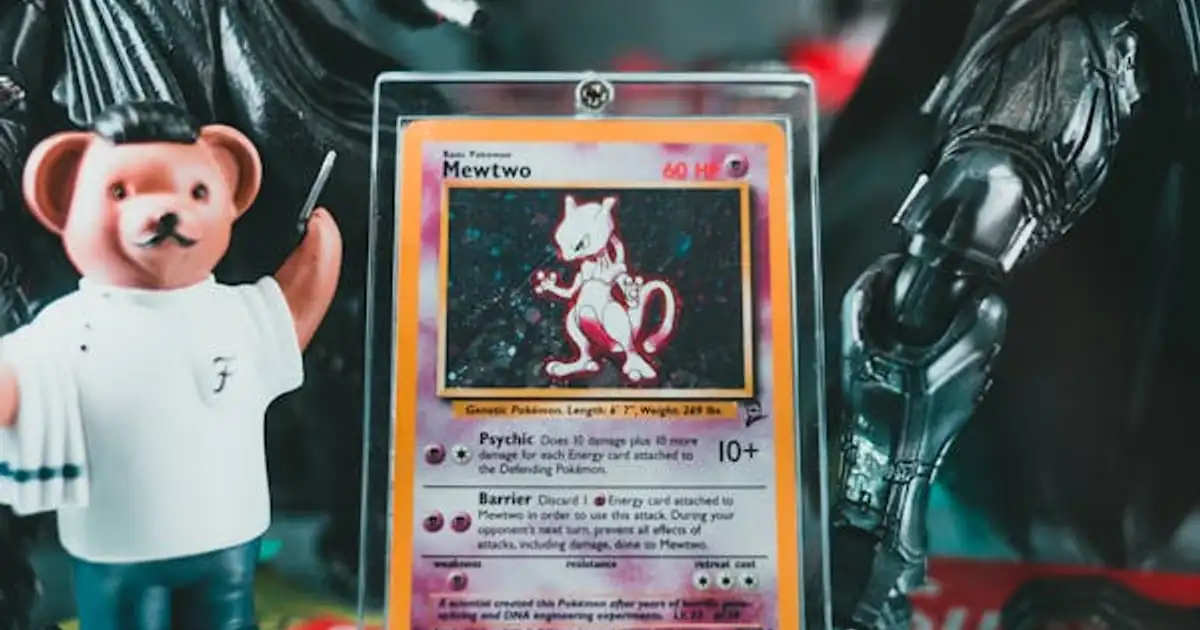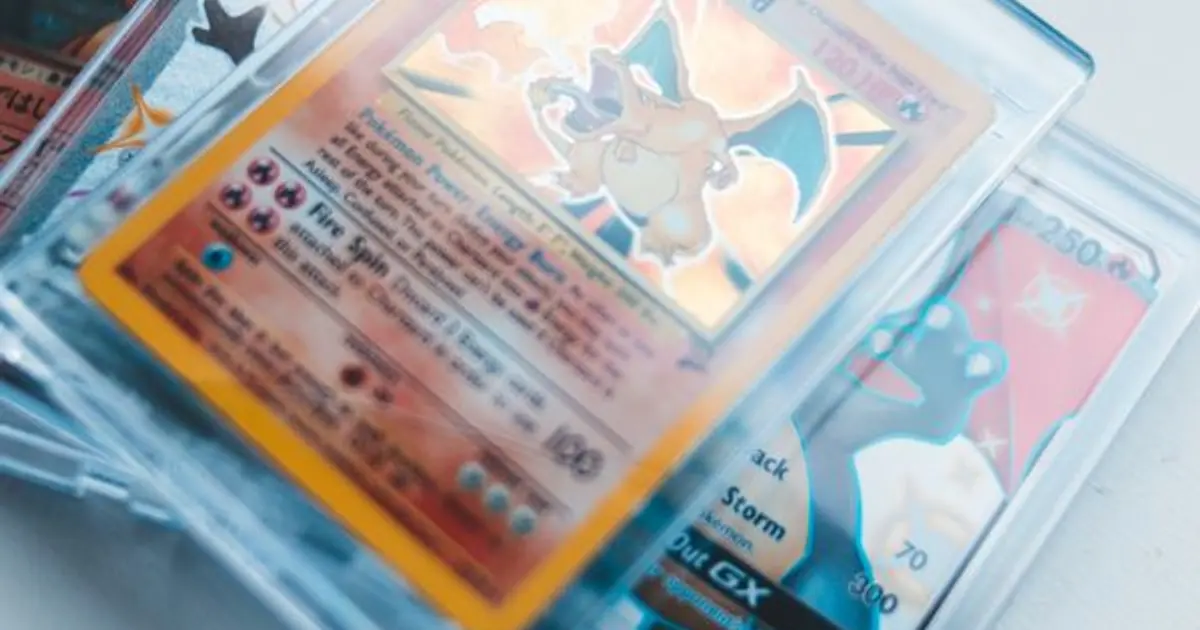
The stamp, the drop shadow, the HP font and the copyright line that separate the three 1999 Base Set prints, plus the Machamp and Jungle exceptions.
Three print runs, one set of artwork, and a price gap between them that can run to a hundredfold. Shadowless vs Unlimited vs 1st Edition is the whole ballgame with 1999 Base Set, and if a Charizard has turned up in a shoebox, which print it is matters more than almost anything else about it. The differences are small and physical. Once you know where to look you can't unsee them. Here's how to tell the three apart in about thirty seconds, and the one card that breaks the rule.
Three prints, in the order they happened
Wizards of the Coast printed Base Set three times in 1999, and the order explains the price.
1st Edition came first, in January. Every card carries the "Edition 1" stamp, and every one of them is also shadowless, because the stamp was added to the layout the shadowless run already used.
Shadowless is the second print: the same layout with the stamp taken off. Same thin fonts, same missing shadow. It was a short run, which is why it's scarce.
Unlimited is the redesigned mass-market print that ran for the rest of the year and beyond. Someone added a drop shadow to the artwork frame, made the HP text bold, and put a "99" in the copyright line. This is the one most people have.
There's a footnote. In 2000 Wizards ran a further Unlimited print, sold mostly in the UK, with a "©1999–2000 Wizards" line. Collectors call it the 4th print, and it prices close to ordinary Unlimited. Bulbapedia's Base Set page catalogues all four.
Find the 1st Edition stamp first
Look under the left side of the artwork frame. A 1st Edition card has a small black circle there with a "1" in the middle and "EDITION" arched over the top. On Pokémon cards it sits to the left of the species line, the one reading "Flame Pokémon. Length…". Trainers and Energy carry the same stamp lower down on the left.
Stamp present and the card is shadowless? Done. Stamp present and the card has a drop shadow? Be suspicious. Base Set 1st Editions weren't printed that way, and people have been faking stamps for twenty years. One legitimate exception exists, and it comes up further down.
Then check the right edge of the art
This is what separates the second print from the third. Look at the right-hand and bottom edges of the frame around the picture. An Unlimited card has a drop shadow there, a dark band that makes the art look like it's floating slightly above the card. A Shadowless card has nothing. The frame meets the yellow border and that's it.
Obvious with both cards side by side. Easy to miss with one card in your hand, which is why the next two checks matter.
The HP font and the copyright line
HP in the top right is thin and regular weight on a Shadowless card, bold and clearly heavier on Unlimited. Pokémon cards only, for obvious reasons.
The copyright line along the very bottom works on Trainers and Energy too. Shadowless and 1st Edition read "©1995, 96, 98 Nintendo, Creatures, GAMEFREAK. ©1999 Wizards." Unlimited adds a year: "©1995, 96, 98, 99". The 4th print keeps that 99 and changes the Wizards date to "©1999–2000".

The three prints at a glance
| How to identify it | Rough raw price tier, Charizard as the yardstick | |
|---|---|---|
| 1st Edition | Stamp under the left of the art, no shadow, thin HP, "©1995, 96, 98" | Highest by a wide margin. Clean raw copies reach five figures, and a PSA 10 sold at auction for over $400,000 in 2022 |
| Shadowless | No stamp, no shadow, thin HP, "©1995, 96, 98" | Middle. Low thousands raw for a presentable copy |
| Unlimited | Drop shadow, bold HP, "©1995, 96, 98, 99" | Lowest. Usually hundreds raw, and condition swings it hard |
| Unlimited, 4th print | As Unlimited, with "©1999–2000 Wizards" | Close to Unlimited, sometimes a small premium |
Those tiers are approximate and they move — vintage prices swing with the wider market, and with condition more than anything else. Treat the table as an order of magnitude, then check the live Charizard page, TCGplayer or PriceCharting for what copies actually sold for this week.
Why Charizard is the example everyone uses
Partly because it's Charizard. Mostly because the gap between prints is widest on the card with the most demand. All three prints exist for every one of the 102 cards, Blastoise and Venusaur included, down to the basic Energy. On a common, shadowless might add a few dollars. On a holo it's a multiple. On Charizard it's several multiples stacked on each other. The vintage Pokémon cards worth money guide covers which of the other holos are worth chasing.
Pikachu 58/102 has its own wrinkle: red cheeks and yellow cheeks. That's an art correction rather than a print run, and the red version turns up on 1st Edition, Shadowless and early Unlimited copies.
The Machamp catch
Every Base Set 2-Player Starter Set shipped with a holo Machamp carrying the 1st Edition stamp, and it kept that stamp for the life of the product. So stamped Machamps exist both shadowless and with a drop shadow, and 1st Edition Machamp is easily the most common stamped Base Set holo there is. Don't price it like the other fifteen.
Jungle and Fossil: same logic, one print fewer
Jungle and Fossil have two prints each, 1st Edition and Unlimited. Both arrived later in 1999, by which point the drop shadow was standard, so neither set has a shadowless run. A Jungle or Fossil card with a shadow and a 1st Edition stamp is completely normal, and the copyright trick doesn't apply.
The error worth knowing is Jungle's "no symbol" print, where a run of cards went out without the set symbol on the art frame. Those carry a premium as a genuine factory error, and the Pokémon card errors guide explains how to tell a real one from a worn one.
One lookalike to rule out. Base Set 2, from 2000, reprints Base Set and Jungle cards with a drop shadow and a "2" symbol, and its Charizard is numbered 4/130. Good card. Not a Base Set Charizard.
Print first, price second
Once you know the print, the price is a lookup, and it leans on condition more than people expect. Vintage cards are rarely as clean as their owners think. Scryda scans the card, identifies the set and number, and puts the current market value next to a condition estimate, so you can see what your copy is realistically worth before grading enters the conversation. The is it worth grading checklist takes it from there, and if a stamp looks too good to be true, run the fake card checks first.
Check a card's value free, or scan the shoebox with Scryda. The top 100 most valuable cards will tell you what else in there is worth pulling out.
Frequently asked questions
Is every 1st Edition Base Set card shadowless? Yes. The 1st Edition run used the shadowless layout, so a genuine 1st Edition Base Set card never has a drop shadow. The exception is the starter-deck Machamp. For Jungle and Fossil, 1st Edition cards do have the shadow.
What's the quickest way to tell Shadowless from Unlimited? Look at the right edge of the artwork frame for a drop shadow. Confirm with the copyright line: "©1995, 96, 98" is Shadowless, "©1995, 96, 98, 99" is Unlimited. That check also works on Trainers and Energy, where there's no HP font to compare.
Are there Shadowless Jungle or Fossil cards? No. Only Base Set has a shadowless print. Jungle and Fossil went straight from 1st Edition to Unlimited, both with the shadow.
Is a "1999–2000" copyright card a 1st Edition? No. It's a later Unlimited print from 2000, sold mostly in the UK and often called the 4th print. It's worth roughly Unlimited money.
Share this article
Mentioned in this article
Sets
Look up what a card is worth
Every set, every card, with the market price on each one — free and no sign-up.
Related articles